|
Getting your Trinity Audio player ready...
|
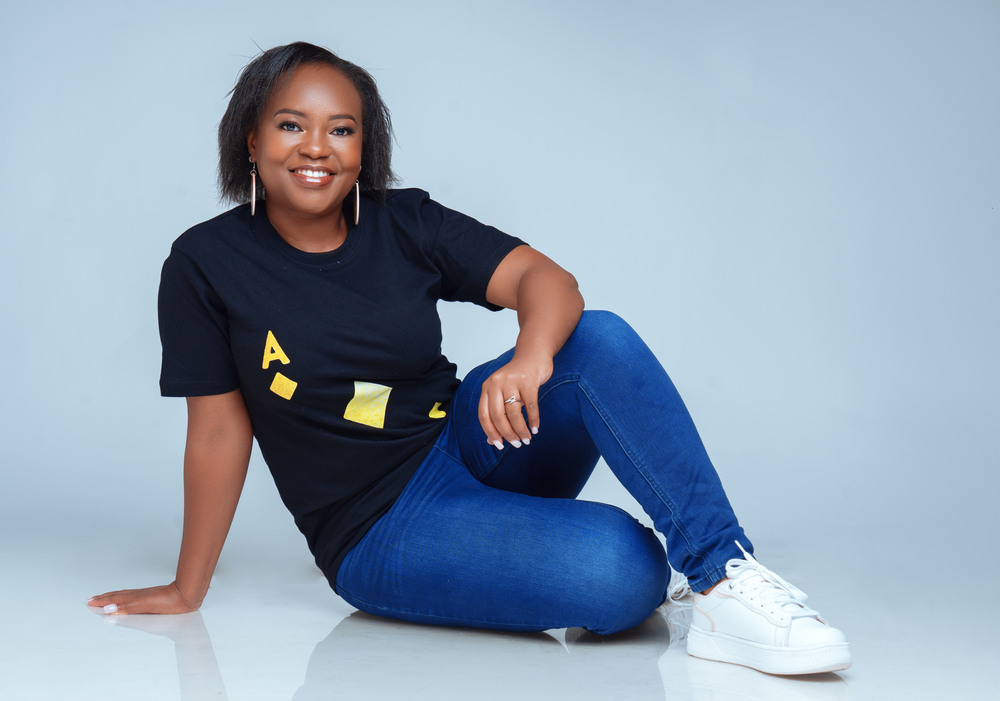
Name:
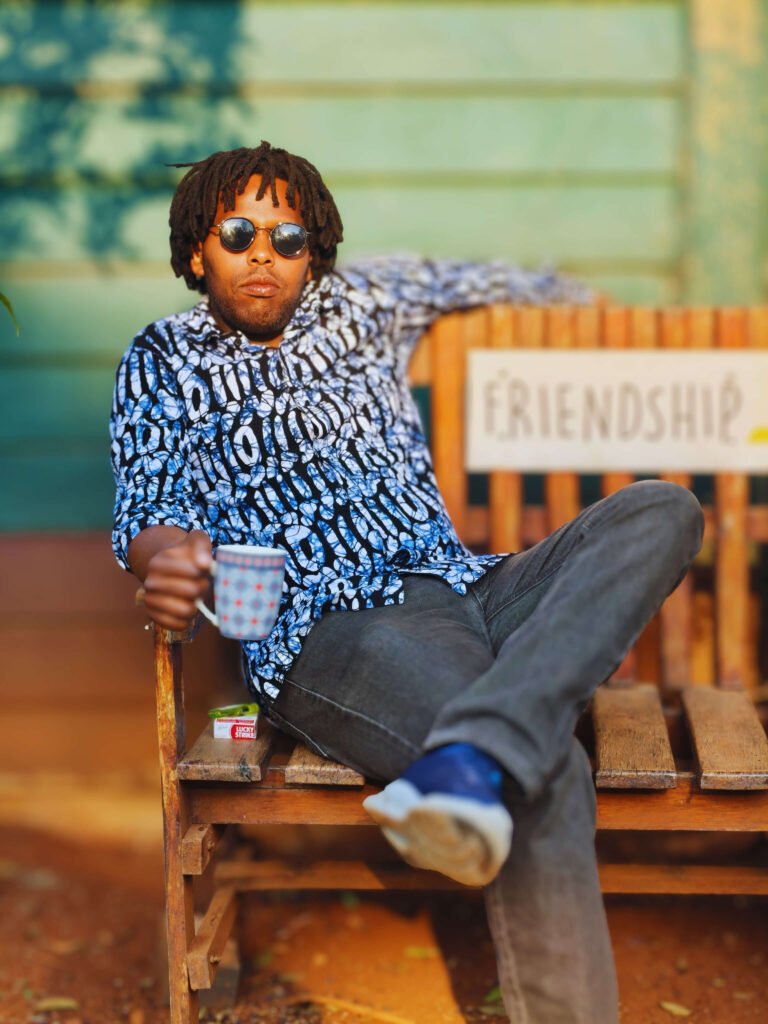
My name is Mwongela Kamenchu, also known as Monaja
What do you do for a living?
I am a researcher as well as a performing/ recording artist. I research questions on our history before colonialism and even during colonialism, how our culture was distorted, redefined by the colonialists to suit them, and how that informs the present. I also research African spirituality and a number of other things. I’m also known for my work on student activism at the University of Nairobi. From time to time, I’m involved in fellowships. Right now, I’m part of the Omega Resilience Awards Africa Fellowship. I’m one of those who were selected for that.
What does being a millennial mean to you?
We’ve had almost 10 years of conversations around our millennial story. Broadly speaking, when you distill it for yourself at this point in time, what does being a millennial mean to you? These (generational) categories were given to us by the global West. But if I’m to just think of it as a concept where I sit in Kenyan history, I’ll define millennialism as redefining who I am, who I’m supposed to be, and acknowledging the fact that the trajectory I was supposed to follow was robbed off by colonialism. If African communities were just left alone to grow organically, then naturally, it means there would have been a different trajectory. So for me the question is, how can I reimagine myself as a human being, as I come to this world, and as an African. I was supposed to come to this world in a certain way had colonialism not intervened. Just like the millions of others who share in the same fate. So the idea for me is to learn as much as possible from the older generations. I like talking to people who are in their 80s and 90s, who can tell you how life was in the past, and that enriches the way I look at life and kind of gets me to, as an artist, to recreate music, to recreate realities in a way that speaks to the realities that were there before colonialism. Of course, colonialism happened. I definitely have to accept that. But I think some work ought to be done, not just for myself, but also for coming generations. And to make them aware of the fact that what they think is reality or what life should be is in many ways fabricated; it’s in many ways corrupted; that they need to also recreate the world that they’re living in. So I do that, both as an academic and as an artist. That gives meaning, and of course, I learn from younger people. I learn from older people. I definitely can see how the younger generation can see me as stuck in my ways. But, you know, you live and let live. But you also give an allowance of learning in your mind. You keep an open mind. You are open to different experiences, but you ultimately get to decide the kind of life you want to build and the kind of future you want to build for yourself and the others.
Name:
I’m Edinah Bakora
What do you do for a living?
I am a Personal Assistant to a member of parliament.
What does being a millennial mean to you?
To be a millennial in this day and age, especially a Kenyan millennial, is to be a professional survivor. It’s a constant state of “mhhhhh…” where you’re perpetually balancing the weight of tradition against the speed of the future. For many of us, being a millennial means being the “Default Responsible One.” If you’re a firstborn, you know exactly what I mean. You aren’t just living your life, you are the unofficial HR manager, the emergency fund, and the primary consultant for your family. Responsibility isn’t a choice, it’s an inheritance. We are the bridge generation, carrying the expectations of our parents while trying to build a foundation for those coming after us. This sense of duty bleeds into how we work. We are the masters of the “Side Hustle Symphony.” We were raised on the gospel of being constantly busy, taught that if you aren’t tired, you aren’t working hard enough. So, we navigate the corporate world by day and chase our passions and extra coins by night. We don’t just have jobs, we have ecosystems of productivity. But the most exciting part? We are the ultimate eyewitnesses to change. We remember a world where computers had “two backs” and mobile phones were as bulky as a half bar of Geisha soap. We saw the transition from analog static to high-speed fiber optics. We adapted because we had to. That evolution gave us a unique kind of grit, a tough skin that allows us to thrive in the chaos of a changing world while still keeping our sense of humor intact. Being a millennial is exhausting, yes, but it’s also exhilarating. We are the generation that can fix a vintage radio and manage a crypto wallet in the same breath. We have the scars of the past and the tools of the future. We are fun, we are resilient, and honestly? We can survive anywhere.
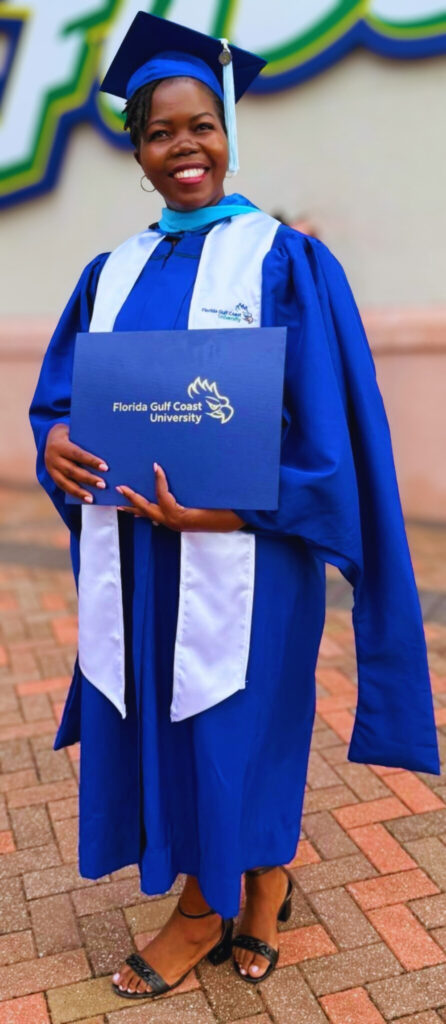
Name:
I’m Prisca Shiundu
What do you do for a living?
I’m a special education teacher in Florida, USA, passionate about making a difference in kids’ lives.
What does being a millennial mean to you?
To be a Kenyan Millennial is to live as a bridge between two worlds, the analog traditions of our parents and the high-speed digital reality of the West. Growing up on the outskirts of Webuye town, my horizon was defined by the towering clouds of smoke from the Panpaper factory. To a village girl back then, that smoke wasn’t pollution, it was a beacon of hope. It represented the only “system” I knew of, the singular path to a successful life. Now, living and working in the Western world, I see a different kind of system, one that actually moves. It’s a bittersweet realization. Back home, our brilliance is rarely the problem, it’s the tragedy of “shelf life.” So many of our visionary ideas don’t see the light of day, instead gathering dust on polished wooden shelves in government offices, waiting for a chance that never comes. We are also the generation of the “Generational Shift.” We grew up on the edge of a panga, driven by the blunt, loving threats of parents who didn’t believe in “soft talks.” I can still hear the warning ringing in my ears: “Wewe enda tu college na usome! Nimekutuma kusoma, sio kutafuta mimba!” There was no nuance, just the high stakes of survival. Today, I watch the younger generation sit through gentle, polite conversations about reproductive health and “boundaries.” It’s a world away from the “fear of God and parents” that raised us. Being a Kenyan Millennial means carrying that village grit into global spaces. We are tech-savvy not just because we have the tools but because we have the hunger. We are the ones turning those “dusty ideas” into digital realities, proving that no matter where we land, the spirit of Webuye never leaves us.
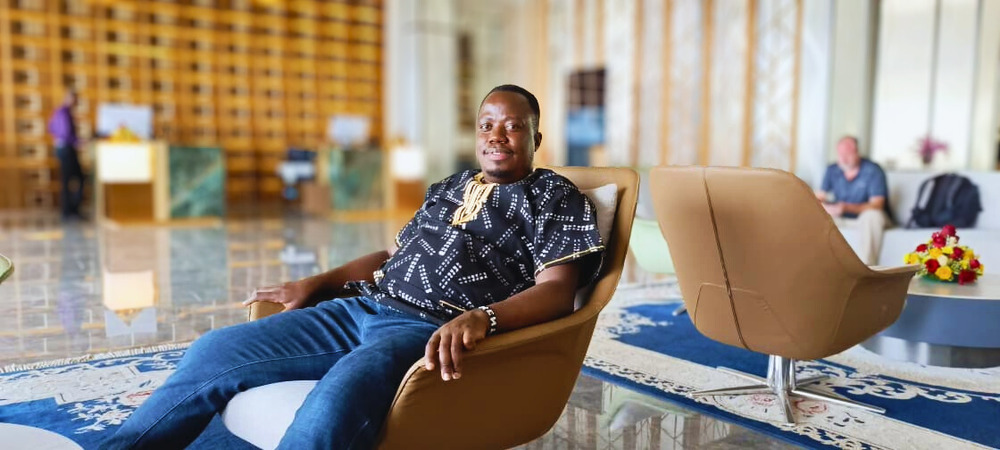
Name:
I am Albert Omanga
What do you do for a living?
I am a communications and PR professional working in Nairobi, creating thought-provoking and captivating content for digital media
What does being a millennial mean to you?
To me, being a millennial feels like standing at a busy roundabout in the middle of a power outage, and you have to be incredibly agile, slightly daring and ready to navigate the chaos with a smile. We are the “Bridge Generation,” caught right at the intersection where the old school values of our parents meet the high-speed fiber optics of the future. We grew up on the soil of a community, where identity was tied to the village, and relationships were built face to face, yet here we are, managing global brands and digital workflows from a laptop in a city café. In this country, being a millennial isn’t just an age bracket; it’s a survival skill. We are the masters of the “resourceful pivot.” We realized early on that waiting for rigid, old-fashioned systems to work for us was like waiting for a Matatu that was never coming. Instead, we leaned into creativity, storytelling, and innovation. We didn’t just wait for jobs, we created platforms. We didn’t wait for permission, we started “side hustles” that eventually became our main hustles. But with that ambition comes a heavy coat of responsibility. As a Kenyan millennial, you are often the “Social Security Fund” for your extended family while simultaneously trying to build your own empire. We carry the weight of uplifting local industries and the burning desire to tell African stories in a way that doesn’t feel like a cliché. We want the world to see the authentic, modern, and “unfiltered” version of us, the one that dreams big but remains grounded in the reality of financial pressures and a shifting “Kadongo” economy. Our resilience isn’t about entitlement, it’s about grit. We choose purpose over shortcuts because we’ve seen where the shortcuts lead. We choose collaboration over isolation because we know that “Umoja ni nguvu.” Every day, we are intentionally shaping what comes next, honoring the “shags” roots that raised us while designing the global future we deserve. We are the ones proving that you can have a “digital mind” and still have a “communal heart.” We aren’t just living, we are building a new Kenyan manifesto, one creative idea at a time.
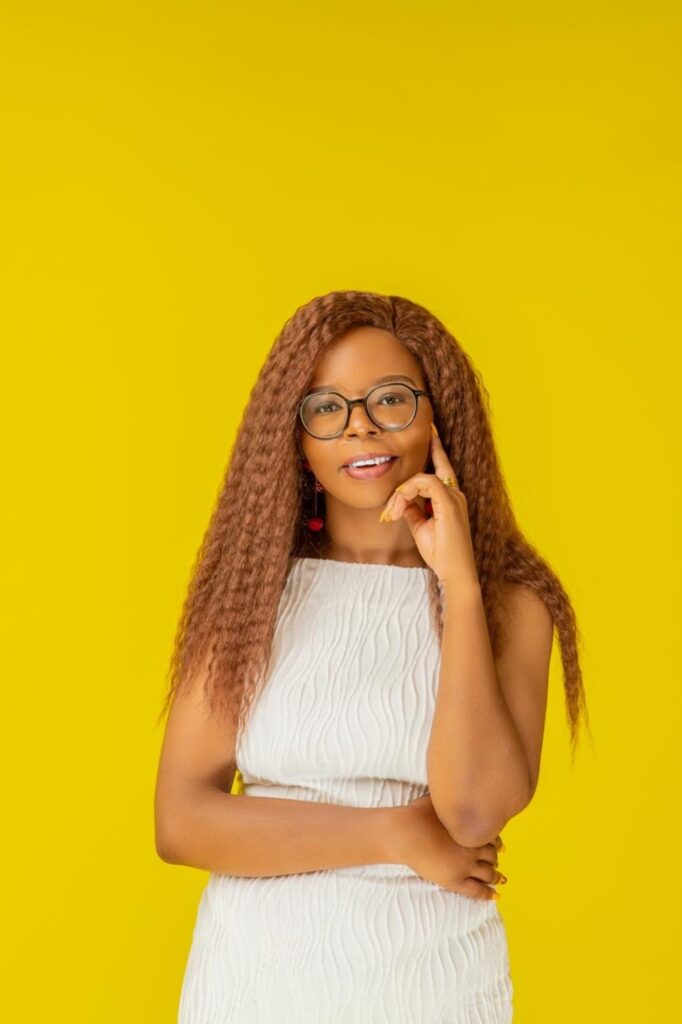
Name:
My name is Rahab Gakuru
What do you do for a living?
I work as a Customer Care representative in the UAE.
What does being a millennial mean to you?
To me, being a millennial feels like my life has been a bridge between two Kenyas. I grew up in that “analog to digital” transition, an era where the instructions were so clear: “Soma kwa bidii” (study hard) to get that financial stability, but never ever forget your place as a woman. It was a world of high expectations and narrow paths, where “societal norms” were the ultimate law. But standing where I am now, I’ve had the front row seat to something beautiful. I’ve watched the most audacious dreams that would have been laughed at in my village years ago, taking root. I’m watching this new generation run with a fire that my younger self could only imagine. However, being from that bridge generation also means I witnessed the heavy stuff. I saw the trauma and helplessness that were often “disguised” as family curses, things we were told to pray away or keep behind closed doors, never to be addressed in the right channels. We lived through patterns of poor decision-making that were passed down like heirlooms, simply because we didn’t have the words or the “permission” to call them what they were. The shift, though, has been my saving grace. Being a millennial today means I finally have the tools to break those cycles. With the massive boost in mental health awareness, I’ve accessed the materials and facilities to heal what was once ignored. We are finally replacing “ni maombi tu” (it’s just prayers) with “ni maombi na therapy” (it’s prayers and therapy). In the end, I’ve been a witness to the struggle, an enabler of the change, and finally, thankfully, I am now free to just be.
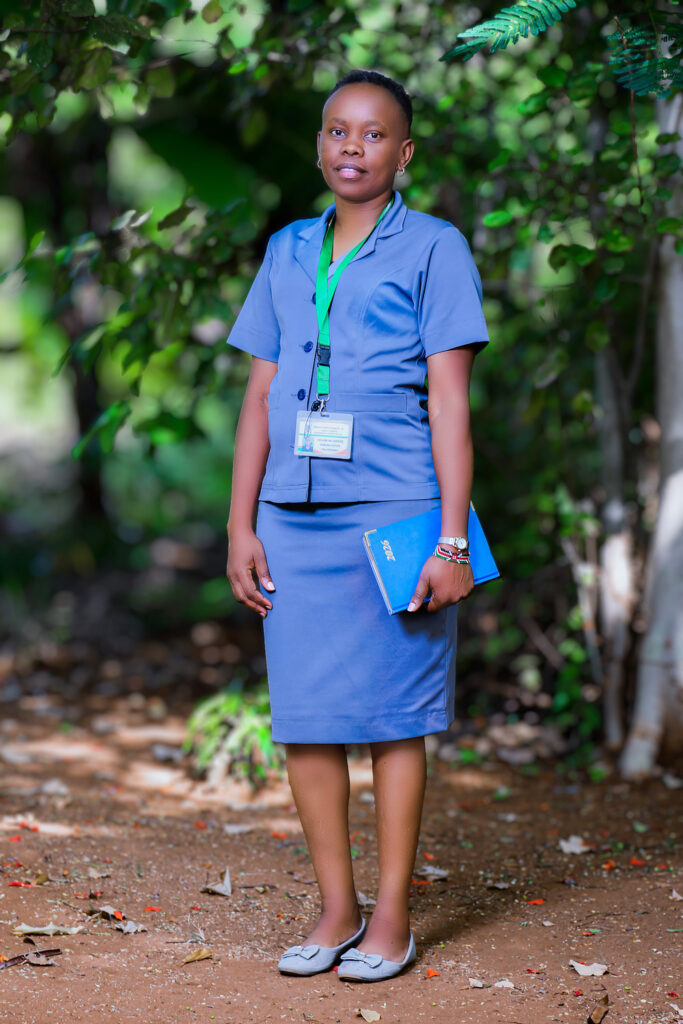
Name:
I am Lilian Sirere.
What do you do for a living?
I am a Public Health Nurse specializing in the management of nursing services. My role is centered on empowering my team through mentorship, strategic advisory, and effective coordination.
What does being a millennial mean to you?
To be a millennial in Kenya today is to be a “pro max” multitasker. We are the generation of the “Jack of all trades,” driven by a deep sense of purpose and a stubborn refusal to let things fail. When I say I’m committed to getting things done, I mean it Kenyan style. We don’t just work, we navigate. If Plan A hits a snag, we don’t sit back and complain, we quickly “vuta mpango” (pull a plan) and find an alternative. That resilience is baked into our DNA. As a Nurse Manager, my day is a whirlwind of precision and high-stakes decisions. But that’s just one hat I wear. The moment I leave the ward, I transition into being a wife, a mother, a baker, and even a farmer. People often ask how I manage it all but for a millennial, multitasking isn’t a burden, it’s our superpower. We were raised to believe that you can be anything and everything all at once, as long as you have the grit to stay organized. My “ka-farm” and home garden are my sanctuary. In Kenya, we know that land is life, but for me, it’s also therapy. When the pressure of the hospital and the demands of life start to feel heavy, I retreat to my garden. There’s a special kind of healing in the simple acts of watering, pruning or planting. Just sitting there, listening to the birds chirping while the sun sets, gives me the “nguvu” (strength) to wake up and do it all over again. I have the survival skills of someone who has lived through the analog days and thrived in the digital age. I don’t just survive, I flourish. I am a proud Kenyan millennial, a healer, a provider, a creator, and a nurturer. We are the ones keeping the engine running, and I wouldn’t have it any other way.
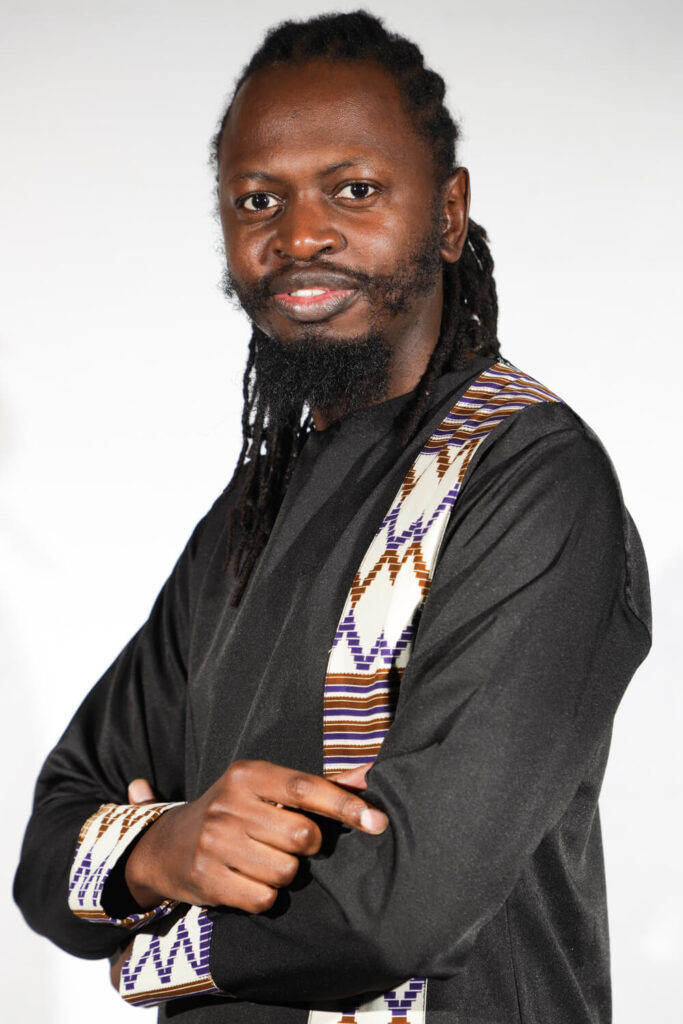
Name:
Sadiq Kuto Wanjala
What do you do for a living?
A public health specialist (Technical Advisor for Malaria elimination) in South Africa
What does being a millennial mean to you?
Being a millennial in Kenya feels like living in two different centuries at once. I vividly remember a time before technology knocked on our doors, a childhood defined by “raja” Black Mambas and BMX bikes. We rode those heavy frames without a single helmet in sight, racing down the street with used tyres and sticks, our laughter echoing across the fields until the sun went down. It was a time when your “network” was just the group of agemates you played with in the dust. Then came the shift. I remember when mobile phones first arrived. At first, they were a luxury for the “extra wealthy,” a status symbol that made class differences clear. But then came the legendary Nokia 3310, and suddenly, the world changed. As millennials, we became the accidental heroes of our homes. For a moment, our parents and grandparents looked at us with awe as we showed them how to compose a text message or set a ringtone. Technology gave us a seat at the table, it made us the ones who were listened to. But today, life feels like a constant pendulum swing. We find ourselves stuck between the memories of an era where you were judged by the character in your speech and this current reality where “financial power plays” decide everything. I work day and night, yet I can’t help but feel like we had “more” back then, more genuine laughter, more time, and less pressure to constantly perform. Despite the “daily bane” of trying to maintain control in a world that moves too fast, I believe we are the luckiest ones. We have seen the best of both eras. We are the guardians of the past and the architects of the future, holding the strings that connect these two worlds together. We carry the grit of the old days into the digital speed of today, and that is our true superpower.
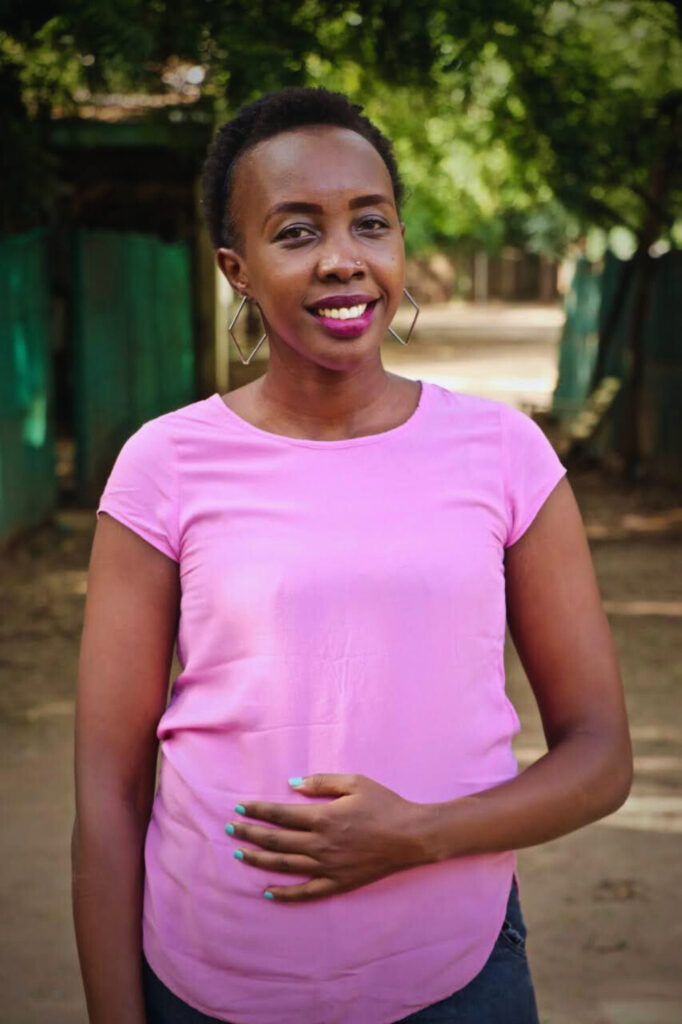
Name:
Tabitha Jeruto
What do you do for a living?
I am an Accountant
What does being a millennial mean to you?
My name is Tabitha Jeruto, and by default, I am a proud Kenyan millennial and an Accountant. To me, being part of this generation is like being a “living bridge.” We are the lucky ones who grew up right at the edge of the digital explosion, meaning we have the perfect balance of knowing how to navigate a high-speed internet connection while still remembering exactly what it felt like to play outside in the dirt until the sun shone away. We are the last group to truly understand the “analog struggle.” We remember the days before everyone had a smartphone in their pocket, yet here we are now, managing complex spreadsheets and digital tax returns like pros. We saw the world change in real time, and that has given us a unique kind of grit. We can handle a system crash just as easily as we handled a “raja” bicycle chain falling off in the middle of a race. But let’s be honest, being a millennial in Kenya also comes with some “side effects” we didn’t sign up for. I’m an accountant, so I spend a lot of time crunching numbers, but lately, I’ve realized my generation is struggling with things like chronic back aches. Honestly, tunaumia (we are hurting)! We have no business having back pains this early, isn’t that supposed to be for the wazee (elders) or something? We’re out here trying to secure the bag while our spines are acting like they’ve seen seventy years of hard labor. Despite the “bittersweet” back pains and the pressure to succeed, it’s generally an amazing era to belong to. We have the wisdom of the old world and the tools of the new one. We are resilient, we are hardworking, and we definitely know how to make our mark.
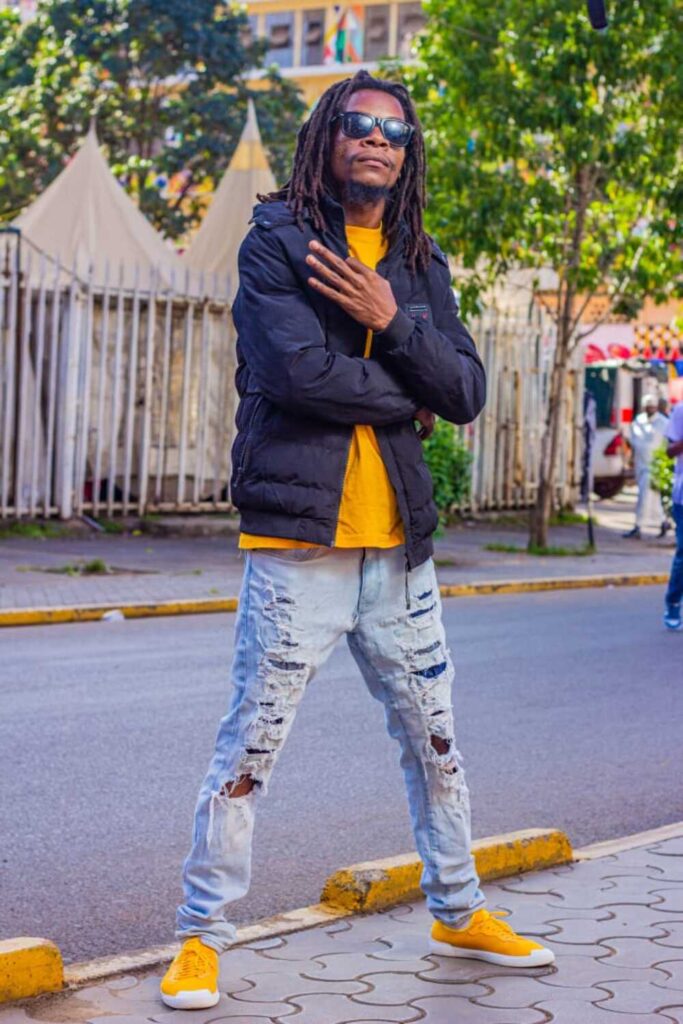
Name:
I am Hezbon Bahati
What do you do for a living?
Hezbon Bahati, also known as “Baba Taifa,” or “Azee Coptel” is an artist, rapper, and activist from Embakasi South who uses his creativity to advocate for human rights, social justice, and civic engagement. He is a founder of the Mukuru Kwa Njenga Social Justice Center and utilizes music and art to speak truth to power.
What does being a millennial mean to you?
To be a millennial in this country, and especially brought up in the trenches of Mukuru Kwa Njenga, is to be born into a movie that the rest of the world only watches on the 7 PM news while having dinner. We are the “Middle Children” of the struggle. We grew up in the “between,” a weird space where the digital age found us still jumping over open sewers and living behind rusty iron sheet walls. While the world was talking about 5G, we were just trying to find a “tap” that actually had water. In the ghetto, you don’t just grow up, you crystallize. You harden like the mud after a Nairobi downpour. For me, this identity stopped being a concept and became a physical weight in June 2025. During the Gen Z-led uprising, I wasn’t just an observer, I was the pulse of the streets. I was out there demanding a system that actually recognizes the “mwananchi” in the slums. Then, the cold reality of a police bullet found me. Being shot during those protests changed my DNA. Now, I carry the brunt of that brutality in my flesh, a literal, jagged scar from a state that would rather spend its budget on teargas and silence than on feeding its people. But the “system” forgot one thing: I am a recording artist. My small, improvised studio is my sanctuary, my church, and my AK-47. I don’t just sing about “mapenzi” (love); I spit bars about governance and the “pool of dust” where our dreams are left to rot on the shelves of disconnected leaders. I rap for the “wazee” in high offices who have forgotten the sound of a stomach growling in the middle of the night. Being a millennial here means taking that trauma, that sharp pain of a healing wound, and turning it into a heavy bassline. It’s about using my survival skills to advocate for a Kenya where a kid from Kwa Njenga can dream without having to dodge a GSU officer’s aim. I am the bridge between the trauma of our fathers and the revolution of our children. Despite the scars, I am resilient. I am an artist, a survivor, and the voice the ghetto cannot ignore. We are the ones who will build this country from the ground up, one beat at a time.
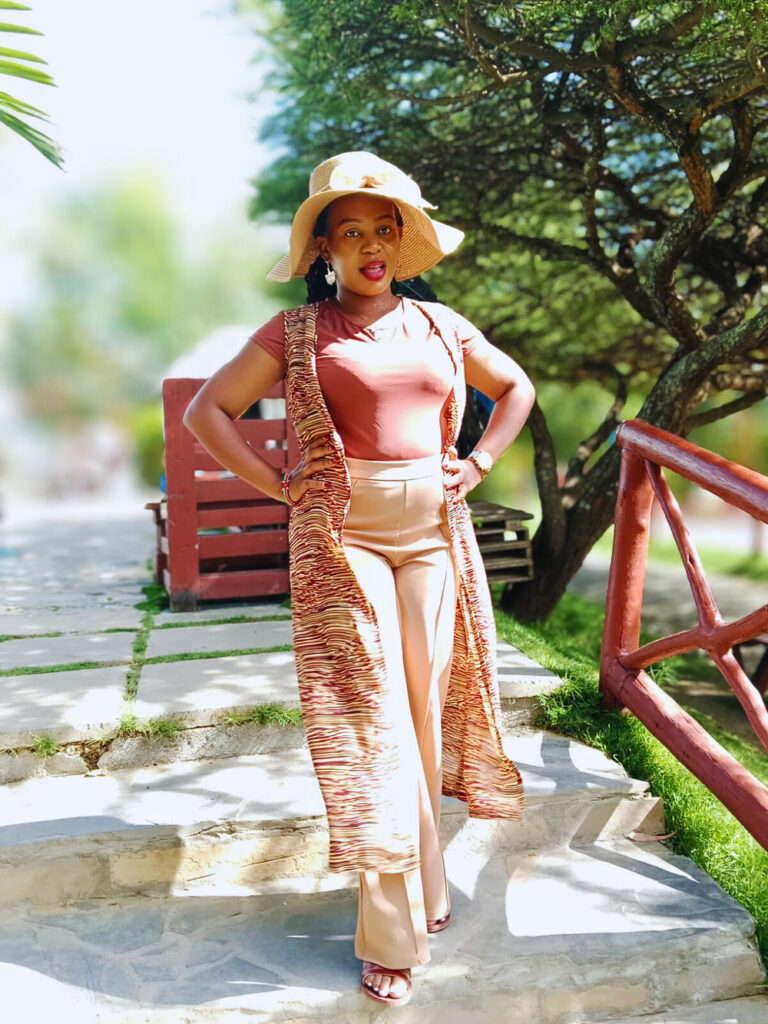
Name:
I am Elizabeth Ngele Wacharo
What do you do for a living?
I am a transcriptionist.
What does being a millennial mean to you?
Being a millennial means I was born between 1981 and 1996. In the Kenyan context, we are the digital pioneers. We are the “analog-digital” bridge, the only generation that grew up playing bladder, tapo, and kati in the dust, only to transition into a world of fiber optic internet and AI in our adulthood. We are the generation that remembers the struggle of tuning the “aerial” on top of the roof just to get a clear signal for the only channel available, KBC. We watched the slow transition from bulky “Great Wall” analog TVs to the glowing, internet-connected flat screens we use today. We saw the world go from black and white to 4K. As a millennial, I’ve tasted both worlds. I remember the thrill of receiving a handwritten letter via a Posta box and the discipline of waiting in line at a telephone booth (Simu ya Jamii) or using a landline. Then, right before our eyes, we witnessed the birth of the smartphone and the explosion of the social media era. We went from “Please Call Me” texts to TikTok. The “Kienyeji” Modernist Being a millennial is being a perfect blend of traditional (kienyeji) and modernization. I still hold onto the values our parents instilled in us, respect for elders, community spirit, and the “shamba” life, while staying completely abreast of the latest tech trends and global lifestyles. I can enjoy a plate of managu and ugali just as much as a fancy brunch in the city. For most of us, life followed a clear, hardworking path. We survived the 8-4-4 system, chased that university degree, built a career, and eventually started our own families. Because of this journey, I deeply value education, career growth, and the sanctity of family. Lastly, as a Kenyan millennial, I am incredibly adaptable. I’m a “shape-shifter.” I can sit through a serious board meeting or a long corporate presentation in a sharp suit, and then effortlessly switch gears to a church harambee, a chaotic matatu ride, or a local community social event. Being a millennial is about appreciating that change is the only constant. We don’t just survive social and technological shifts, we lead them.