|
Getting your Trinity Audio player ready...
|
The paradox of press freedom in Rwanda is that despite the advent of alternative media, younger journalists are more controlled than their older counterparts. “Today’s generation? Yeah, they’re getting more fear than we used to,” 47-year-old Rubens Mukunzi said in a phone interview. Rubens has experienced a Rwanda before Kagame’s 26-year presidency. He was 15 when the genocide that killed at least 800,000 Rwandans happened. The same year that 32-year-old Samuel Baker Byansi was born. While Rubens practised journalism in his home country for 13 years before he fled to America in 2013, Samuel practised for half the time, having started in 2016 and fleeing to Europe in 2022. Rubens had never been arrested for his work even though he earned the name “Mr Bean” from his comic commentary on Rwandan politics through his radio show at the time. But Samuel recalls being arrested more than four times for his work.
In a phone interview, Samuel narrates one of the arrests in 2022 that upended his plans to ask his girlfriend to marry him. “They arrested me for something not serious. I had tweeted that journalist Kakwenza Rukirabashaija fled Uganda. I was detained for like four days. No communication. It disturbed me. I had my proposal that Saturday. I was arrested on Tuesday.” Samuel being arrested for a tweet is indicative of the government’s online surveillance to control free speech and limit the use of social media for political dissent.
Within three months of gathering this report, artist and YouTuber Aimable Karasira was killed (May 6), and Rwandan authorities confirmed the arrest (May 1) of YouTubers Nsanzimana Augustin and Niyonshuti Emmanuel for “suspected spreading of false information” via their YouTube channel, Imbarutso ya Demokarasi (The Rise of Democracy). Even though YouTubing is barely profitable in Rwanda since YouTube ads were suspended in 2021. About 10 of the 13 imprisoned Rwandan journalists recorded on the Committee to Protect Journalists’ database are YouTubers, illustrating the paradox of press freedom in the country, where the rise of the internet and alternative media has ironically stirred up more repression.
As an early career journalist, Samuel underwent a compulsory civic education programme called Itorero ry’Igihugu. A report by Democracy in Africa explains that the programme was introduced in 2009 as part of President Paul Kagame’s post-genocide ideology for the making of a “new Rwandan citizen”, known as Umunyarwanda. Rubens, 30 at the time, was never a student of this programme. Samuel narrates his experience in his book From Watchdogs to Traitors: The less you know, the more you believe. “The programme offers certificates symbolizing their support for the RPF. President Kagame holds the honorary title, Intore Izirusha Intambwe, a significant figure for all programme participants,” Samuel wrote. In the book, he recounts a time he was arrested for publishing a story titled “Eat and Die: Rwanda Supermarket Selling Toxic Meat”.
Samuel also mentions being offered US$500 by Rwandan authorities trying to recruit him as a government informant. “He [a police officer] expressed the desire to work closely with me in the interest of our country,” he wrote. The offer was backed by enticing dinners at high-end restaurants, free fuel at certain gas stations, tax exemptions, and a get-out-of-jail-free card for the times Samuel violated traffic rules.
“In the beginning, of course, they don’t recruit you by telling you, ‘You are going to work for us,’ but they come as friends. ‘We want you to be friends with us. We have something to offer, which is a little bit better than what you earn.’ I remember when I bought my first car in Rwanda, and it was supposed to pay taxes of, like, five million Rwandan francs. And then one guy in the police intelligence called the revenue [Rwanda Revenue Authority] and told them, ‘Ah, this is our boy. You don’t need to tax him all this much.’ And just like that, I got my car without any tax paid. It’s like a psychological bribe somehow. So when the same person calls to ask for a favour of talking about someone online, you don’t have the capacity to say no. They give you all those privileges, and they give you this money, but in return you are compromising your own ethics, and this is what they want. But they also want you to maintain your credibility as a journalist, such that when you defend them, it becomes a little bit credible. They tell you, ‘Okay, you’re allowed to do anything, but when you feel like the story is going to shame us, please engage us, Samuel explained in a phone interview.
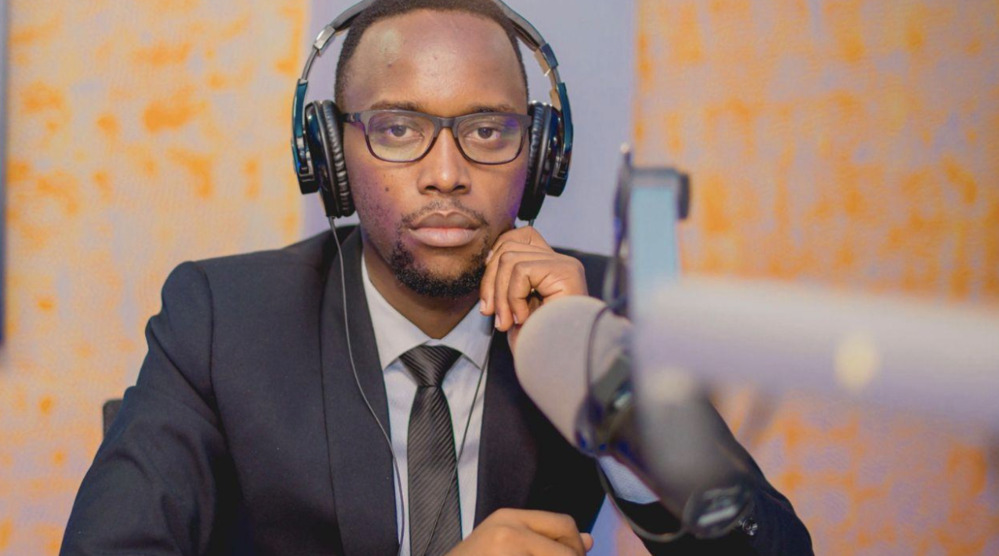
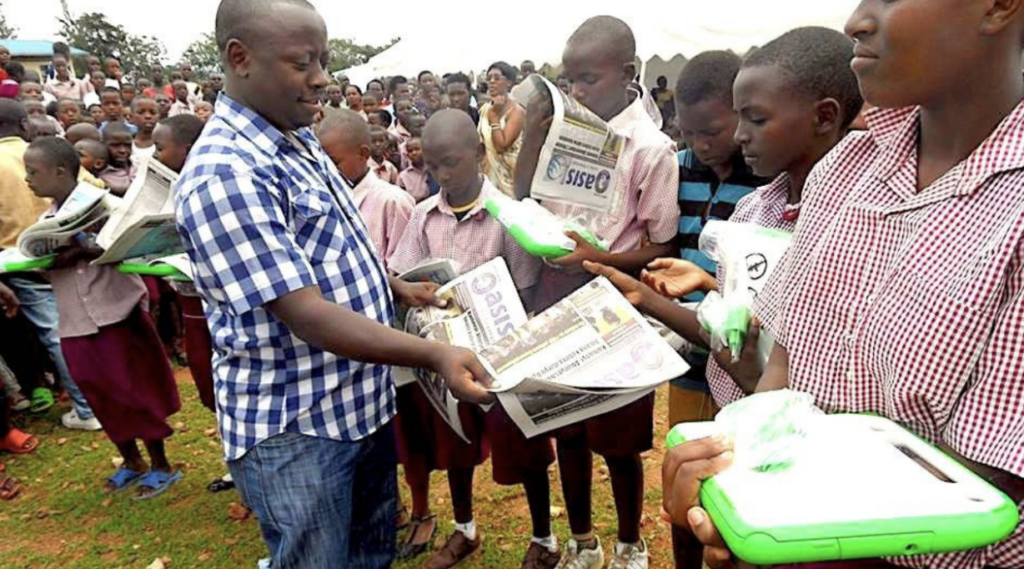
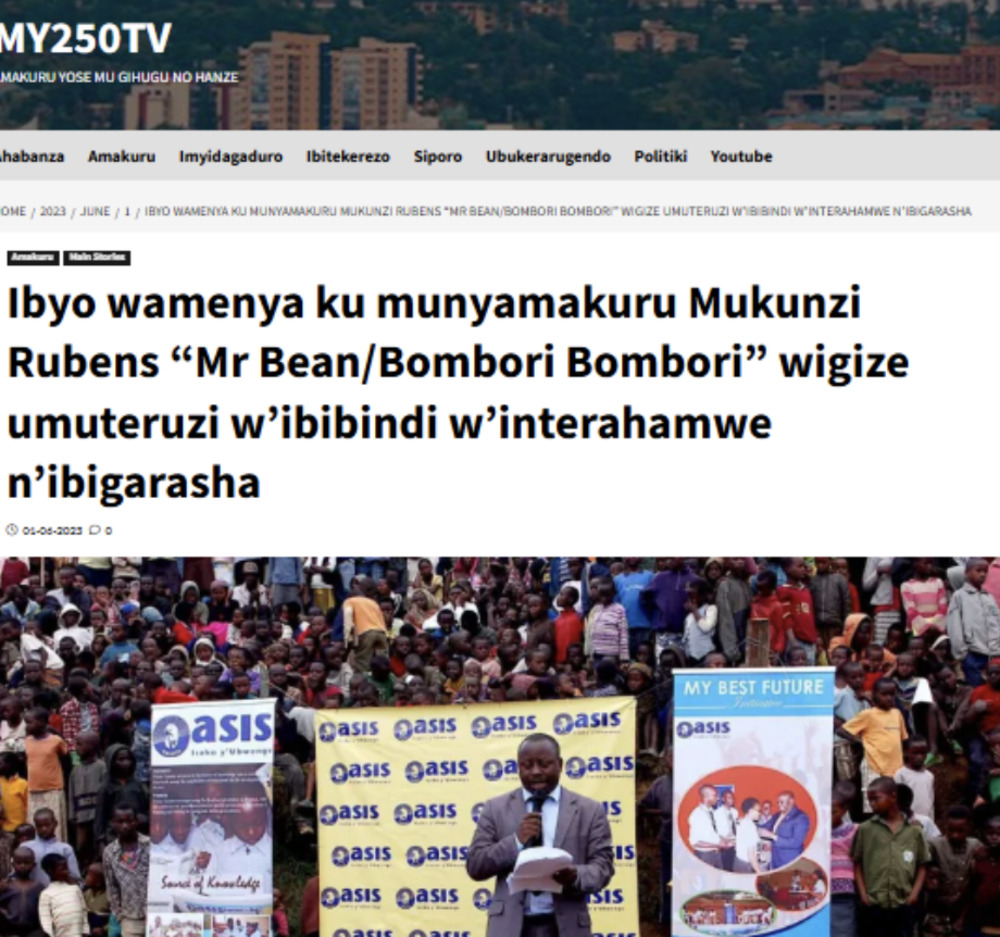
For Rubens, he suddenly began facing intimidation because of a radio show that had been running for over a decade. He had also started Oasis Gazette, an education newspaper that would highlight challenges in the country’s education sector. Rubens recalls the first time he was summoned by the State Minister for Education for a story he had published in 2009. His newspaper had published a report about an incident where the minister had called students caught with cell phones in school to his office to “teach them a lesson”. “He wanted to show them that nobody should use a phone in school. So he took all the phones that were collected by the head teacher and then got a garden hoe. He smashed the phones in front of students,” Rubens narrates in a phone interview.
After publishing the story, Rubens said he started receiving intimidating calls from the minister, threatening to shut down his publication. “That’s the time I started facing serious harassment and intimidation. That’s the time that I started to say, I’m not safe anymore in my country. Until I fled,” he said.
Smear campaigns dressed as journalism
Both Samuel and Rubens still practise journalism and get to talk about issues they couldn’t if they were still living in Rwanda.
Samuel was among the contributors for the Rwanda Classified investigative series by Forbidden Stories. Together with his colleague John Williams Ntwali, who was killed in a suspicious car accident after returning to Rwanda, he exposed the involvement of the Rwandan military in the war in the eastern part of the Democratic Republic of Congo (DRC). The investigation was a cross-collaboration involving 50 journalists from 17 media organizations in 11 countries.
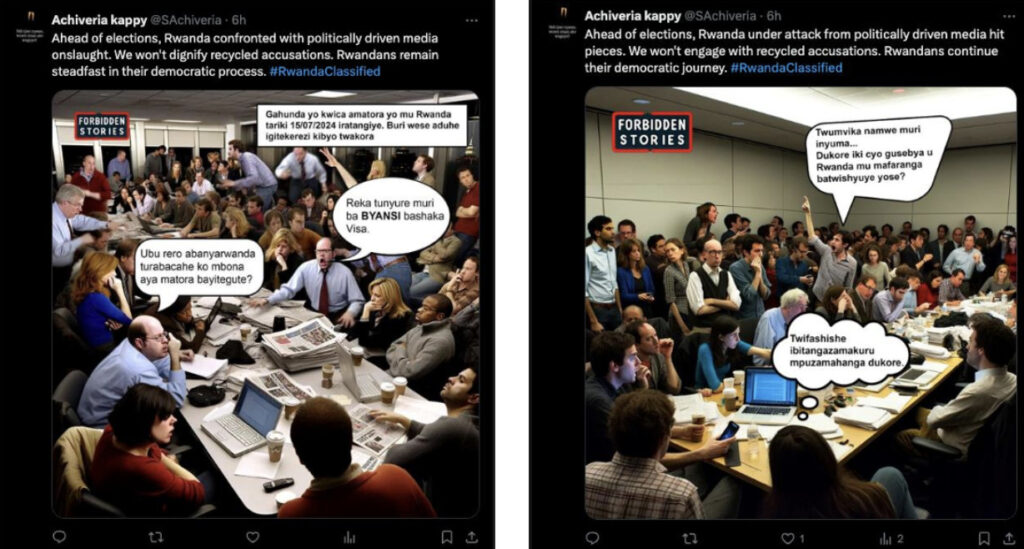
To reach those outside Rwanda, a smear campaign to discredit the story and the journalists was launched, flooding social media with synthetic media. A report by Clemson University found the use of Generative AI to create caricatures declaring the journalists enemies of the state.
The report is titled “Old Despots, New Tricks – An AI-Empowered Pro-Kagame/RPF Coordinated Influence Network on X”. It revealed a coordinated network of accounts on the X platform that engaged with the hashtag #RwandaClassified to both discredit and deflect from the reporting.
Social media was not the only tactic used. This investigation found the use of local news platforms such as The Great Lakes Eye, The New Times, Igihe and Kivu Press to publish counter-narratives denying the “Rwanda Classified” reports. This investigation also found more than a dozen published news articles on Rwandan media platforms discrediting the investigation.
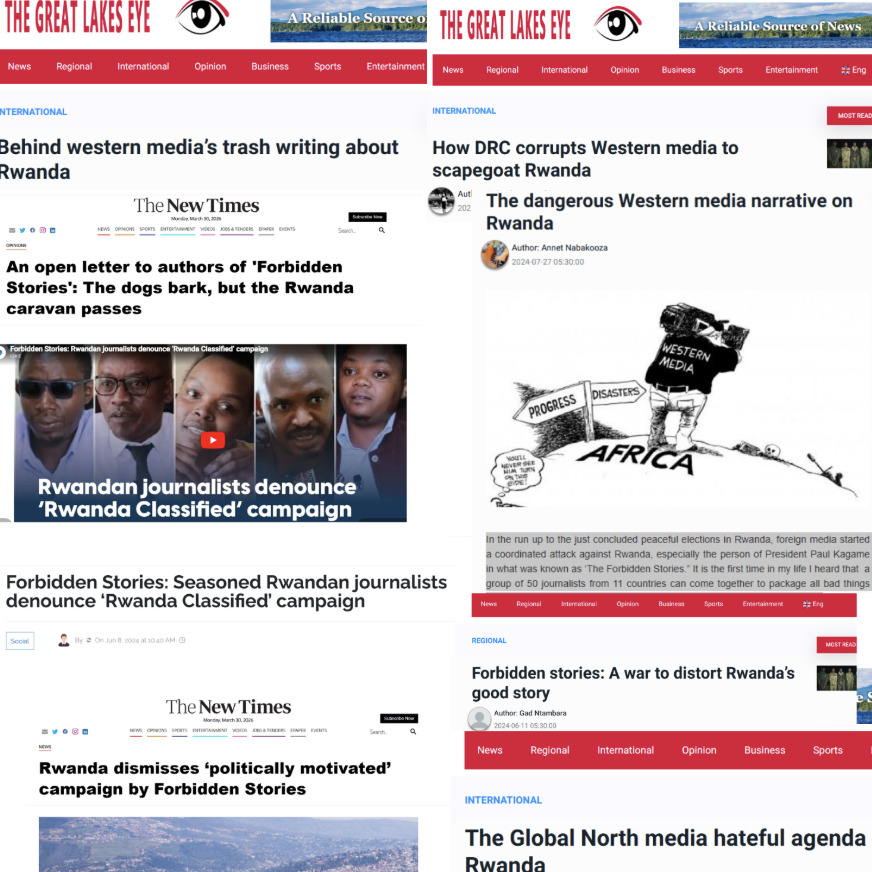
Samuel, who says he has worked for nearly all media houses in the country, said that this is standard procedure for journalism in Rwanda. “Media is controlled by the government. The biggest challenge I was having is that you pitch a story and your editor refuses it, not because it’s bad, but because they feel like the story will cause them problems.” A group of seasoned Rwandan journalists, for instance, featured on Igihe news platform denouncing the “Rwanda Classified” investigation. While dismissing it as “fake news”, one of the journalists is quoted saying, “Let them come, investigate, do their own stories. Don’t sit wherever you sit and agree the narrative they want to spread about Rwanda and confuse the whole world because you have the platform.” This while one of the reporters that was based in Rwanda was killed shortly after publication.
Sportwashing, propaganda and trolling tactics
Most radio stations in Rwanda concentrate on music and sports to “avoid having problems”, the press freedom index by Reporters Without Borders shows, ranking Rwanda at position 139 out of 180 countries.
The report by Clemson University found that the same network of accounts used to harass journalists seamlessly shifted to AI-generated discussions of Rwanda’s involvement with major sports teams and tournaments. The country had deals to advertise “Visit Rwanda” with major leagues like Arsenal and Bayern Munich, which in 2025 cancelled their partnerships after pressure from the media and civil society. However, Paris Saint-Germain (PSG) ignored the same petitions and went on to extend their contract with the Rwandan government, maintaining the “Visit Rwanda” logos on their players’ kits.
For every single post that Samuel publishes, there are trolling comments berating him. He says he can mostly ignore the trolls but is particularly shaken when they touch on his family.
“Posts that really affect me is when people talk about my mother. My mother died in 2019, but on a daily basis, I think even yesterday I read about it. Sometimes it’s like, “Your mother is in the grave, she’s not trusting you because you’ve destroyed your country. Sometimes your mother looks ashamed.” In other instances, Samuel would be notified of the exact location of his wife and daughter, followed by threats on their lives, and this made him begin plans to flee Rwanda with his family for good.
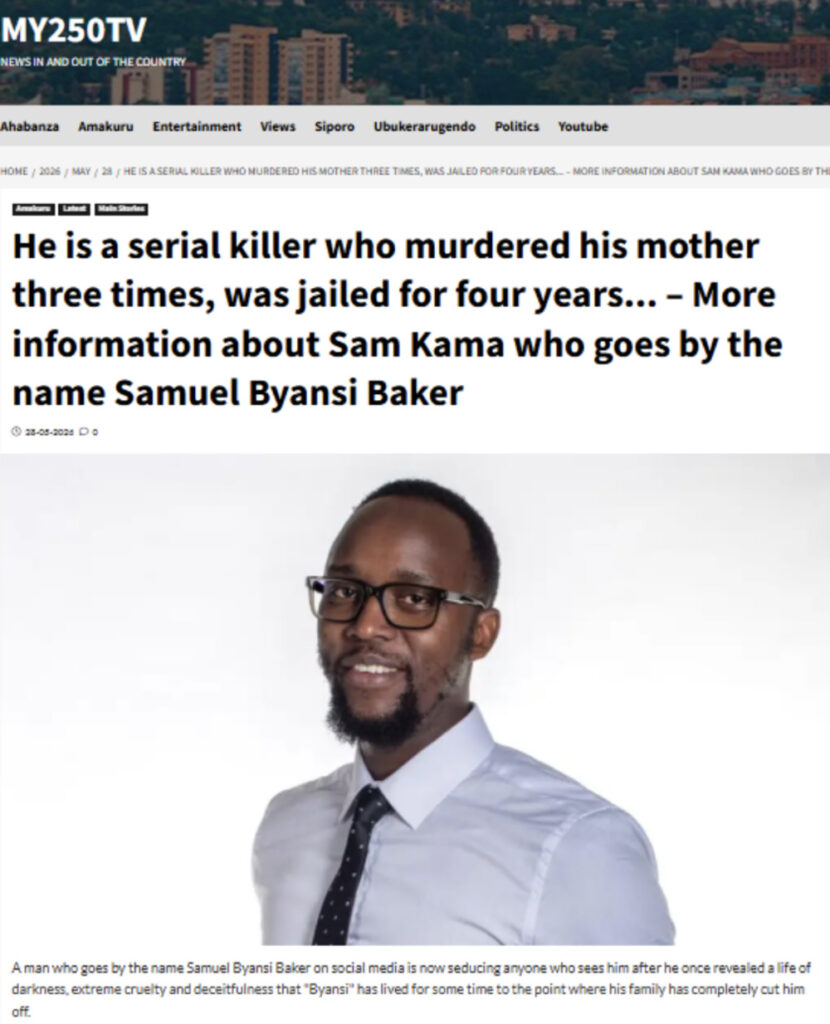
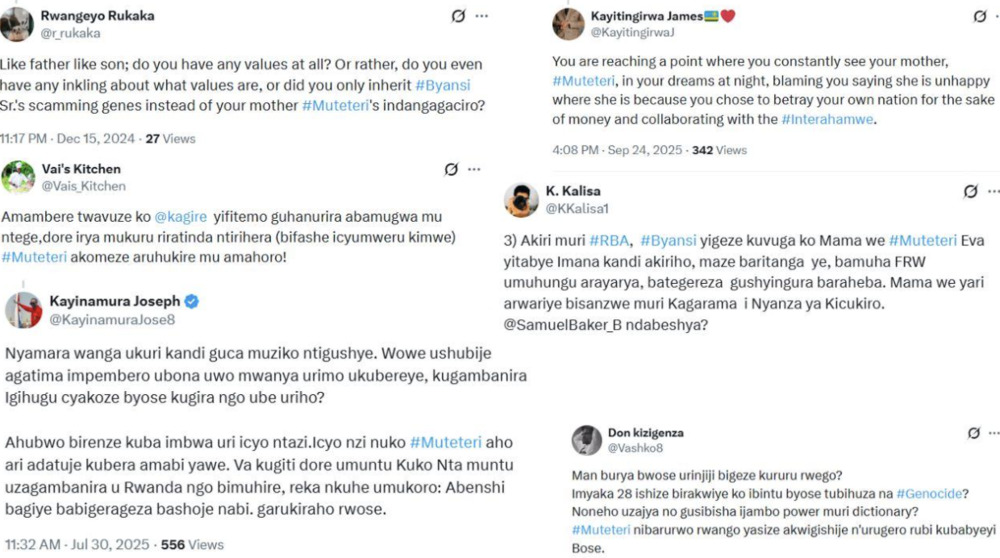
This investigation found some 50 posts under the hashtag #Muteteri tagging Samuel’s account on X, or replying to his posts. Muteteri was Samuel’s mother’s name. Most of the posts under this hashtag are in Kinyarwanda. According to Samuel, this is because the targeted audience is Rwandans. “The main targeted audience for the trolling is Rwandans. Not people abroad or other societies. They want to create fear in Rwandans and make them aware that you can’t go beyond the government; you can’t criticize the government. So by using Kinyarwanda mainly in their communication, the audience is village people. Even if you check their YouTube channels, the content is in Kinyarwanda,” Samuel said in a phone interview.
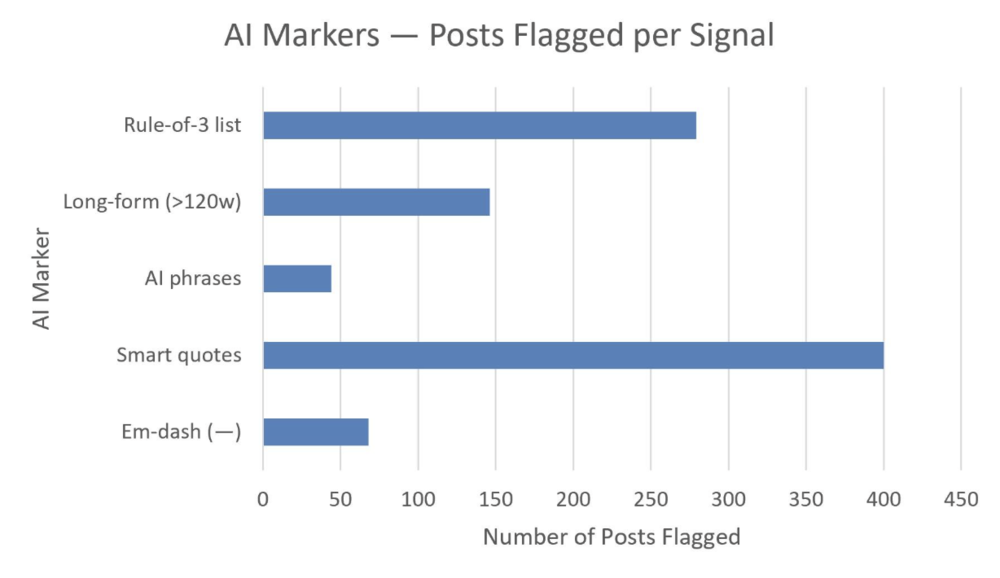
Another hashtag, #Byansi, is also often used to berate Samuel. This investigation analysed over 1,000 posts under the hashtag, in addition to posts containing the keywords “Samuel Baker Byansi” from January 2022 to May 2026. The analysis revealed that most text-based posts in English contained AI markers indicative of the use of Generative AI, with sporadic image-based content of AI-generated caricatures often as comments whenever Samuel posts about Rwanda. Comment-spamming is a recurring tactic in Rwanda’s influence operations online. Ahead of the country’s July 2024 general elections, OpenAI reported banning a set of ChatGPT accounts that originated in Rwanda and used AI to generate tweets. The OpenAI report flagged a network of accounts that focused on generating batches of short comments, typically including hashtags, and identified the comments being posted on X.
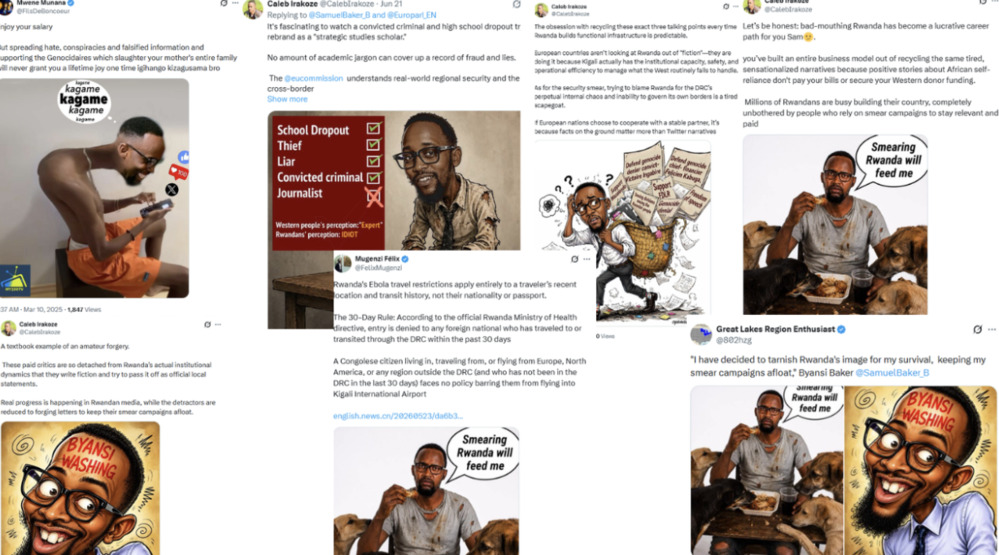
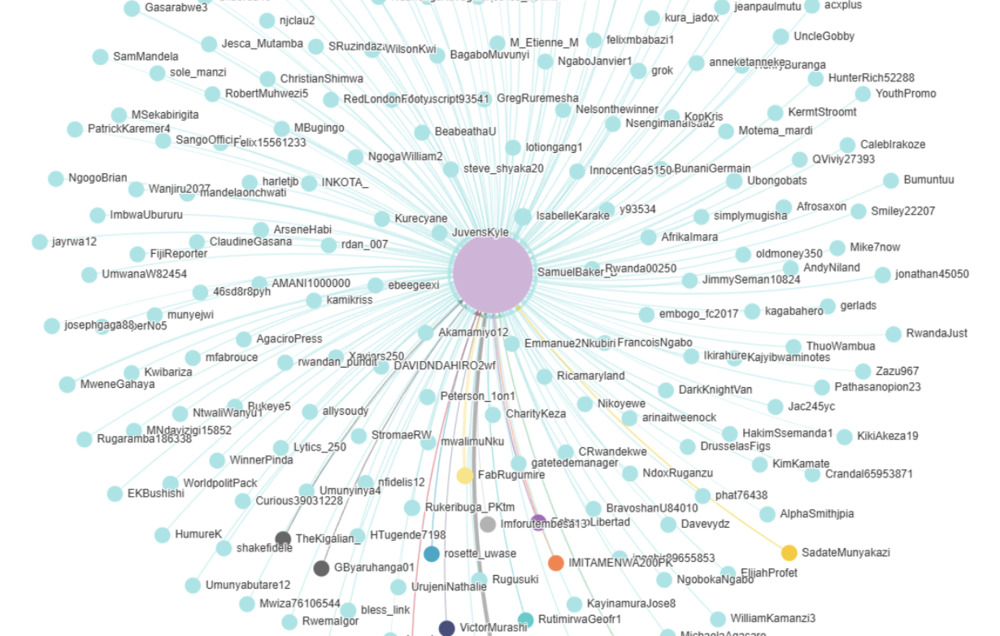
The account @CalebIrakoze on X, which is behind most of the AI-generated caricatures of Samuel, contains a profile picture that cannot be linked to any identifiable individual. A Google image reverse search brings up results of the same photo used by different accounts on Pinterest, X, and Facebook. However, the X account is evidently a pro-government actor from its activities promoting trends like #RwandaWorks, #Rwanda is Proud, and posting similar AI-generated caricatures castigating DRC President Felix Tshisekedi, while applauding President Kagame. The same account contains more posts under the replies section than original posts, indicative of a comment-spamming account. In addition to @CalebIrakoze, this investigation found a network of over 100 accounts that would comment under every Kagame-related post on Samuel’s X account.
In his book, Samuel refers to Rwanda as the “African Soviet Union”, where the country and the government are one and the same. “Before Kagame, we were free to talk. I hope after the leadership of Kagame, we’ll get a free media,” said Rubens.
Rwanda’s 1994 genocide was a crucial tipping point that remains a steady reference on how the country is governed today. Known for the ethnic cleansing of the Tutsi, more than 800,000 people were killed in 100 days. President Paul Kagame’s co-founding of the Rwandan Patriotic Front (RPF), as the Tutsi’s party against the then Hutu-led government, propped him up as a beacon of hope.
Rubens is Hutu. Samuel is Tutsi.
As a 15-year-old at the time of the genocide, Rubens said that he was almost killed by RPF soldiers, and finds the perpetual vilifying of the Hutu population unjust. “So how do you want us to say it’s a genocide against Tutsis, but they don’t want us to say that the Hutu were killed? It’s like the RPF are angels,” he said in a phone interview. Bringing up this argument has indeed led journalists, activists and politicians to prison under a law called “Genocide Denialism”.
Samuel, although he is of the same Tutsi origin as Kagame, has been accused of genocide denialism for publishing work that criticizes the government. He is of the post-genocide generation but knows of many relatives who were killed in the genocide, and some who sustained lifelong injuries. In a phone interview, he said he grew up with an uncle whose stomach was cut in an attempt to slice him into two.
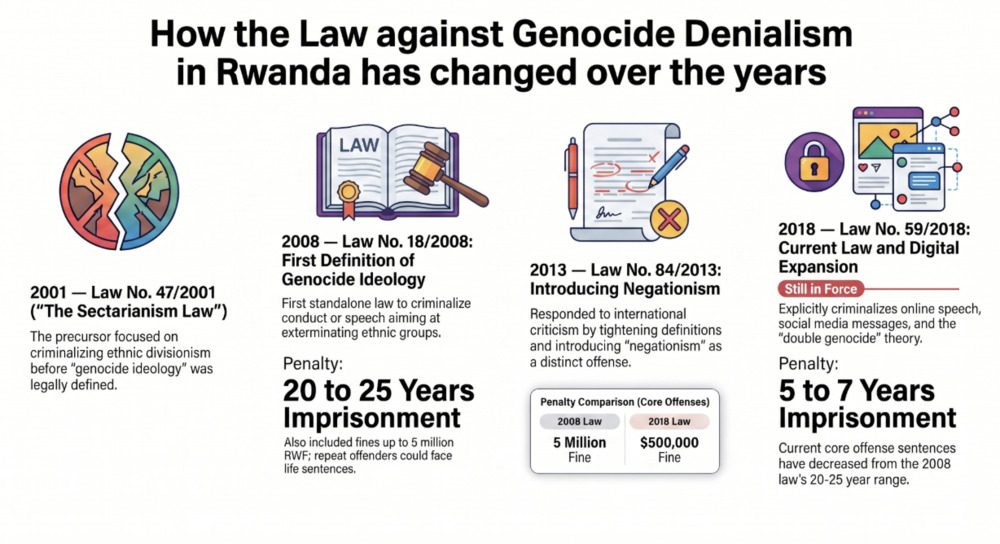
According to lawyer Louis Gitinywa, senior partner at Kigali Attorneys Chamber, the law against genocide denialism was introduced in 2001. “The country was not yet pacified as it is now. So you had some issues relating to the ghost of ethnicism in the country. The law was to try to build a kind of legal repression against anyone who will use the genocide ideology, the divisionism, to flare up the antagonism of the past,” Louis said in a phone interview.
According to Louis, the law has been revised at least three times due to pushback from civil society. “The pushback has been the fact that the law at some point was used as a kind of lawfare, weaponized to curtail freedom of speech,” Louis said, adding that most people persecuted under the law have been political leaders who oppose the government. Most famously, opposition leader Victoire Ingabire, who announced her presidential candidacy in the 2010 general elections, was charged with “Genocide Denialism” and sentenced to 15 years in prison. Due to criticism, the government slightly changed parts of the law, which Louis refers to as “cosmetic changes to the nomenclature”. “They have been reframing the wording. But still the real changes are not yet there.”
The law’s first amendment in July 2008 was the first law to define and criminalize “genocide ideology” as a standalone crime. This amendment included penalties such as life imprisonment if found guilty. After facing criticism for vague wording, it was repealed in 2013 and rephrased to “The Crime of Genocide Ideology and Other Related Crimes”, this time introducing a “negationism” clause, where deliberately negating or trivializing the genocide against Tutsis became a crime. The current version of the law was repealed in September 2018, which minimized penalties, including reducing the imprisonment term from 20 to 25 years to five to seven years.
In 2018, the UN also made a declaration to rephrase its wording from “The 1994 Genocide in Rwanda” to “The 1994 Genocide against the Tutsi in Rwanda” to acknowledge the overwhelming majority of Tutsis that were killed, particularly because they belonged to a group that was “dehumanized and targeted for total extermination”.
One of the tactics used by pro-government bloggers is dismissing those criticizing the government from outside of Rwanda as unreliable sources. Some posts against Samuel claim that he condemns his motherland because he is in need of a visa. They have a word in Kinyarwanda for exiled citizens who publicly criticize the government: Ibigarasha.
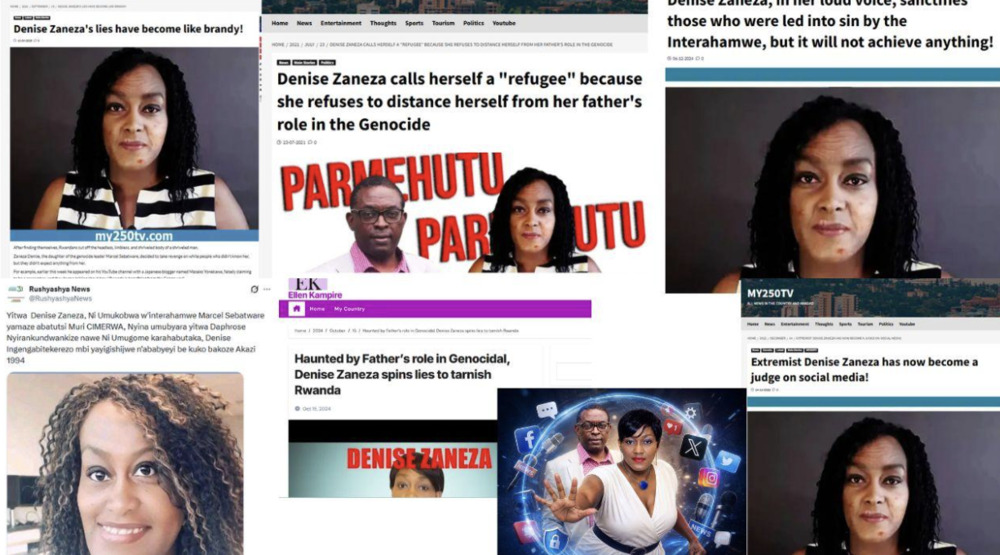
“Ibigarasha is used to refer to us as the unwanted,” said Denise Zaneza, a Rwandan human rights defender who was raised in Belgium after her family fled Rwanda when she was 10 years old. “Every day I’m being called names. I’m an enemy of the state, I hate Rwanda, I want to bring Rwanda back to ashes. They harass me, they make pictures with AI looking a certain way, and they post them. So yeah, smear campaigns and attempts to destroy my credibility every single time,” Denise said in a phone interview. She actively talks about the injustices in Rwanda through her social media platforms and YouTube channel.
A distorted, AI-generated photo of her face is often used in news articles that discredit Denise’s work, also accusing her of genocide denialism.
Transnational repression
Denise says she is constantly on guard, vigilant, ensuring all necessary protective measures like encrypted communication channels are always in place because she doesn’t feel safe even while in Belgium. “I believe Rwanda is one of the few countries in the world that really go beyond their borders to track, to harass, to kill opposition leaders and voices of dissent anywhere in the world because they don’t want the true narrative to come out. But of course, it becomes very difficult with the internet. More people are speaking up, but it doesn’t mean that you are safe,” she said.
It is for this reason that Samuel refuses to disclose where exactly in Europe he is based. “In fact, just today our website was hacked,” he says of M28 Investigates, the investigative media platform he started. The “M” stands for Muteteri, after his mother.
In a report titled “Out of Sight, Not Out of Reach”, Freedom House documents transnational repression from Rwanda, China, Turkey, Iran, Russia and Saudi Arabia. The report concludes that all Rwandans are at risk of transnational repression. It found that the government uses tactics such as assassinations, rendition, spyware, family intimidation and harassment, digital threats and mobility controls. The “Rwanda Classified” reports describe incidents involving a former Rwandan interior minister who was assassinated in Kenya in 1998, a Rwandan intelligence chief found strangled to death in a Johannesburg hotel room in 2014, the spying of a Rwandan editor-in-chief who was exiled in Sweden in 2013, among other cases. More prominently, British investigative journalist Michela Wrong has addressed attempts to deplatform her online as well as instances where plans to give talks at physical gatherings as far as London, South Africa and Brussels were suddenly interrupted because of her work on Rwanda.
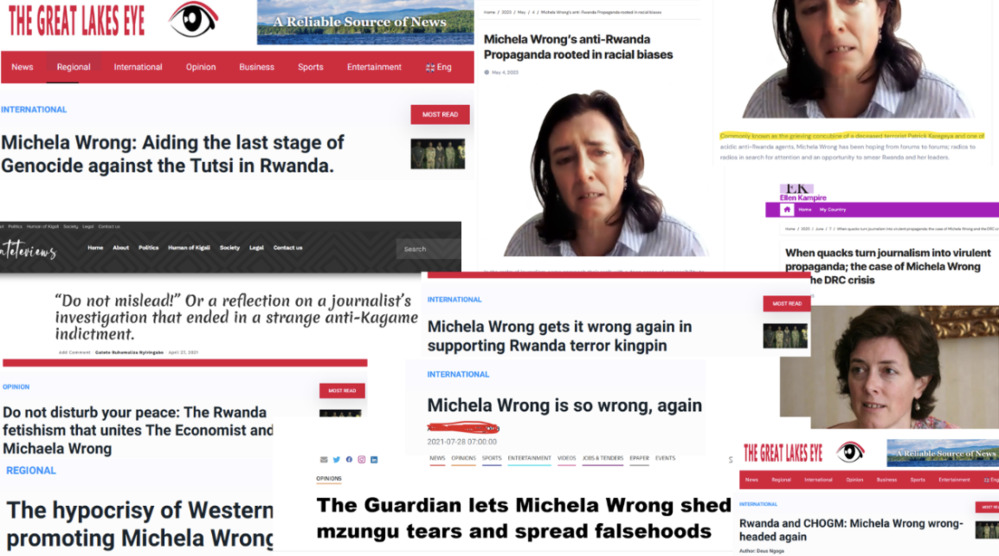
“Rwandan transnational repression is exceptionally broad in terms of tactics, targets, and geographic reach. The government has physically targeted Rwandans in at least seven countries since 2014, including the Democratic Republic of Congo (DRC) and Kenya, as well as further afield in South Africa, the United Arab Emirates, and Germany. Rwandans as far-flung as the United States, Canada, and Australia report intense fears of surveillance and retribution,” the report states.
However, Rwanda’s cautious approach to freedom of expression is not baseless. “We can draw criticism about the lack of political will to open up on these aspects, but we also need to give them the benefit of the doubt because of the context,” said Louis. “During the genocide, we had national broadcasts like RTLM Radio [Radio Télévision Libre des Mille Collines] calling for mass murder. They were calling people to ‘go to work’, which was a way to say go and kill. They were calling the Tutsis, inyenzi, to mean cockroaches.” RTLM radio would later come to be known as Radio Genocide or Hutu Power Radio.
“It takes a long time for a nation to heal from such a dark past,” added Louis. Among the baby steps the country has taken towards freedom of expression, for instance, is when it decriminalized publishing caricatures of the president.
–
This piece was made possible by support from the International Center for Journalists’ Michael Elliott Award, which is celebrating its ten-year anniversary.