|
Getting your Trinity Audio player ready...
|
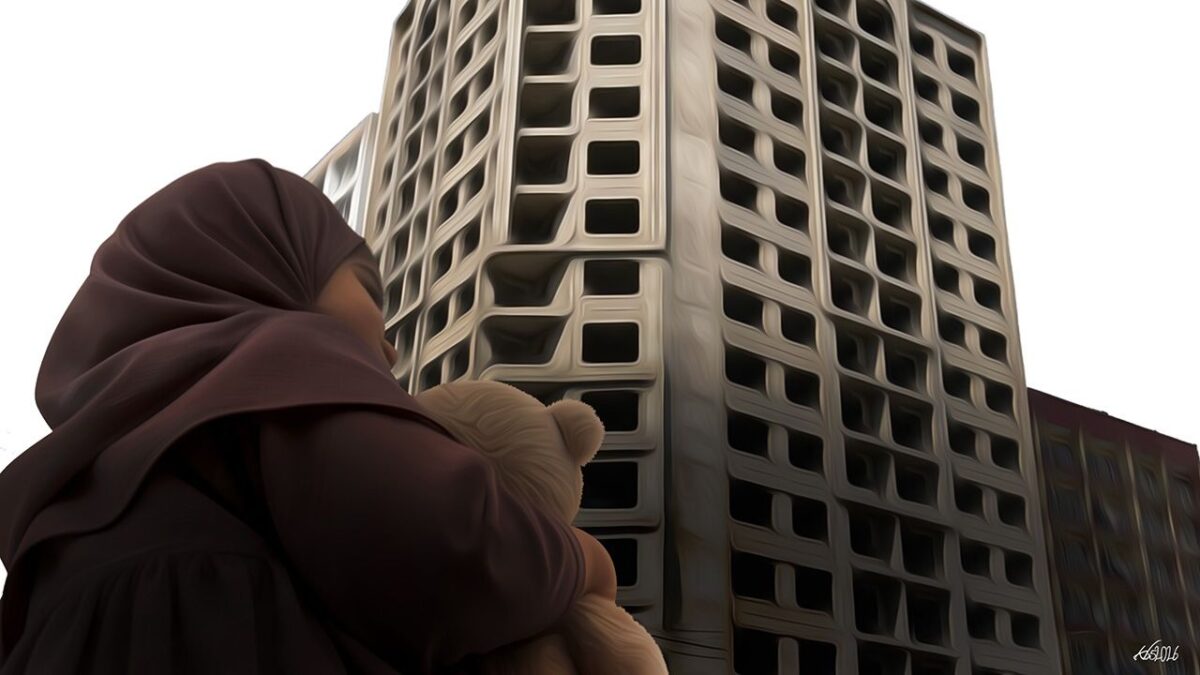
In recent years, Nairobi has become one vast construction site, and residents of Kenya’s capital appear destined to endure the relentless noise of building works for years to come. Across the city, the green scaffold netting draped over new developments has become an unmistakable feature of the urban landscape, signalling a skyline in constant transformation. What was once a controlled and relatively quiet living environment has been replaced by the incessant roar of excavators demolishing older buildings, drilling through bedrock, and excavating ever-deeper foundations to accommodate the city’s expanding high-rise apartments. The soundtrack of urban renewal has become an unavoidable part of daily life, raising broader questions about the costs of Nairobi’s rapid vertical growth.
The city’s apartment boom has also come to dominate Nairobi’s advertising landscape. A drive along Waiyaki Way, James Gichuru Road, Oloitoktok Road, or Ring Road in Westlands increasingly feels like a flipping through a real estate catalogue. Large-format billboards along these roads advertise luxury apartments, ranging from newly completed units to units under construction, some still in the pre-sale phase. On several of these major roads, advertisements for apartment developments appear to account for more than half of the large-format billboards, reflecting both the scale of the construction boom and the fierce competition among developers to attract buyers.
Some of Nairobi’s most established neighbourhoods, including South B, South C, Nairobi West, Kilimani, Kileleshwa, Parklands, Westlands, and the fringes of Lavington, have undergone particularly dramatic transformation since the early 2010s. What began as a gradual wave of redevelopment has accelerated sharply in the 2020s, with low-rise homes and modest apartment blocks increasingly giving way to clusters of high-rise residential developments. The pace of change has been so rapid that many of these neighbourhoods are now almost unrecognizable from what they were little more than a decade ago.
Supporters of Nairobi’s high-rise boom, including real estate developers and the city’s governor, Johnson Sakaja, argue that increasing residential density is essential to accommodate the capital’s rapidly growing population. They contend that expanding the city’s housing supply is necessary to meet both current demand and the needs of future residents.
Critics, however, argue that this vision has not been matched by comparable investment in the public infrastructure needed to support it. While the county government has championed higher-density development, opponents contend that roads, sewerage systems, water supply, drainage, and other essential services have not been upgraded at the same pace. The result is a city where vertical growth has outstripped the capacity of the infrastructure beneath it, placing increasing strain on both public services and the quality of urban life. And whenever it rains for more than three hours in Nairobi, the flooding that ensues is a stark reminder of this strain on public infrastructure.
For many residents, the issue is therefore not whether Nairobi should accommodate a growing population, but whether the city is expanding in a way that is planned, balanced, and supported by the infrastructure required to make high-density living sustainable.
Legislated dysfunction
Resident associations in Kileleshwa, Kilimani, Lavington, and Westlands have repeatedly challenged the approval of high-rise apartment developments in their neighbourhoods. For years, they argued that many of these projects contravened Nairobi’s zoning regulations, which historically restricted building heights in several of these areas to between four and six floors. In their view, the rapid proliferation of high-rise developments reflected a pattern of planning decisions that departed from the city’s own development guidelines.
These concerns gained renewed attention in June 2026 when the Ethics and Anti-Corruption Commission (EACC) announced the recovery of more than Sh65 million in cash from Nairobi County’s Chief Officer for Urban Development and Planning, alleging that the money constituted proceeds of corruption. The case remains under investigation, and no findings have yet established a link between the recovered funds and the approval of specific developments. Nevertheless, the incident has reinforced long-standing public concerns about the integrity of Nairobi’s planning and approvals process, with many residents questioning whether planning regulations are being applied consistently and transparently.
The debate over high-rise development has spanned the administrations of Governors Evans Kidero and Mike Sonko and has been most intense under Governor Sakaja. Sakaja’s administration revised Nairobi’s planning and zoning regulations in 2024 to permit significantly taller buildings in several established residential neighbourhoods. Areas that had historically been subject to low-rise development limits were rezoned to accommodate high-density housing, with permissible building heights increasing substantially. In Eastleigh, for example, the maximum height was raised to 25 floors, while Kileleshwa, Westlands and Lavington, long characterized by low-rise developments, were rezoned to allow apartment blocks of up to 15 floors.
The policy shift was defended as a necessary response to Nairobi’s rapid population growth and acute housing demand. Governor Sakaja argued that the city could no longer afford to expand horizontally and that higher-density development was essential to accommodate future residents.
Resident associations opposed the governor and argued that neighbourhoods once defined by moderate-density housing, mature tree cover, green spaces, and relatively uncongested streets were being transformed into densely built-up concrete landscapes. In their view, the rezoning prioritized real estate development without corresponding investment in public infrastructure, environmental protection, or the preservation of the qualities that had made these neighbourhoods among Nairobi’s most liveable.
To date, the county government has not publicly presented a comprehensive plan showing how essential infrastructure will be expanded to support the rapid increase in high-density housing. Questions remain about how water supply, sewerage systems, roads, public transport, and pedestrian infrastructure will be upgraded to accommodate thousands of additional apartment units. Without a transparent infrastructure strategy, Nairobi’s vertical growth will continue to outpace the city’s capacity to provide the basic services needed for a functional and liveable urban environment.
Loss of aesthetic appeal
For many residents, the consequences of the city’s redevelopment extend beyond infrastructure to the very character of these neighbourhoods. Areas once known for their tranquil atmosphere, cohesive streetscapes, and abundant greenery are increasingly giving way to an undesirable mix of building forms and heights. Towering apartment blocks now stand alongside modest four-storey buildings and detached or semi-detached homes, creating an urban landscape that many perceive as visually discordant rather than thoughtfully planned. The cumulative effect is the gradual erosion of the neighbourhood identity and aesthetic appeal that once distinguished these parts of Nairobi and contributed to the city’s long-held reputation as the “Green City in the Sun”.
Many of the world’s most admired cities offer a different model of urban density. Neighbourhoods in cities such as Paris, Barcelona, and large parts of Berlin are characterized by relatively consistent mid-rise development, with residential buildings commonly ranging between four and seven storeys. Their appeal lies not simply in lower building heights, but in coherent urban design: uniform street walls, predictable skylines, generous public spaces, and infrastructure planned to support higher-density living. An aerial view of Barcelona’s iconic Eixample District, for example, reveals a remarkably ordered urban fabric, where buildings of similar height extend across the city in a pattern that is both functional and visually harmonious. Density is most successful when it is guided by coherent planning rather than piecemeal redevelopment.
Another hallmark of cities celebrated for their beauty and liveability is the quality of the pedestrian experience. Walkability depends not only on well-maintained sidewalks, but also on generous tree cover, accessible green spaces, human-scale development, and streets that receive adequate natural light. Mid-rise urban developments help ensure that sunlight reaches the street for much of the day, while mature trees moderate temperatures, improve air quality, and make walking more comfortable.
Many cities have made these principles central to their urban planning. Greater London, for example, has one of the highest levels of urban tree canopy cover among major cities, while Berlin has committed to (and passed laws to support) significantly expanding its urban forest over the coming decades. Paris has reimagined parts of its public spaces by converting selected streets into green, pedestrian-only “garden roads”.
Nairobi appears to be moving in the opposite direction. Mature trees are increasingly being cleared to make way for high-rise developments. Without parallel investments in green infrastructure and walkable public spaces, the city’s rapid densification risks producing neighbourhoods that accommodate more people but offer a poorer quality of urban life.
The irony of Nairobi’s walkability challenge is that both the president and the governor of Nairobi frequently share images of themselves walking through the streets of cities such as London and New York, alongside ordinary residents, highlighting the appeal of pedestrian-friendly urban environments. Yet in Nairobi, such an experience remains limited to only a handful of streets, mostly within the central business district and a few carefully designed public spaces. For many neighbourhoods, walking is still an afterthought rather than an integral part of urban life, constrained by inadequate pedestrian infrastructure, heavy traffic, limited shade, and the gradual loss of green spaces. This contrast is particularly striking given that both leaders have positioned themselves as climate champions. Creating walkable, tree-lined neighbourhoods and protecting urban green spaces are among the most practical and immediate measures available for reducing urban temperature rise, improving air quality, and enhancing residents’ quality of life. By allowing the continued loss of tree cover and the expansion of heat-generating concrete landscapes, Nairobi risks missing a relatively simple and cost-effective opportunity to make the city cooler, healthier, and more resilient.
Loss of community
Perhaps the most profound consequence of Nairobi’s high-rise transformation is not the changing skyline, but the erosion of community and social connection. Each time a modest apartment complex of 30 or fewer units is replaced by a high-rise development containing more than 80 apartments, the nature of neighbourhood life changes. The residents who move into these larger developments may gain modern housing, but they often lose the communal experience that shaped urban life for many Nairobians who grew up in the 1980s, 1990s, and 2000s.
Those earlier neighbourhoods fostered familiarity and everyday interactions: children playing together, neighbours knowing one another, and residents sharing a stronger sense of belonging and collective responsibility. As developments become larger and more anonymous, these informal social networks become harder to sustain. The challenge facing Nairobi is therefore not only how to house a growing population, but how to preserve the human connections and sense of community that make a city feel like home.
For the hundreds of thousands of Nairobians who grew up in the 1980s, 1990s and 2000s, whether in Buru Buru, South C, South B, Imara Daima, Nairobi West, Donholm, Lang’ata, Ngumo, Kileleshwa, or Kilimani, neighbourhood life was an essential part of childhood. These communities offered more than just housing; they provided a social environment where children formed friendships, gained independence, built confidence, and developed a sense of belonging.
Many larger housing estates were organized into smaller clusters, often referred to as “courts”, consisting of 20 to 30 semi-detached homes or housing units arranged around shared spaces. These common areas became informal playgrounds where children gathered daily, while parents and caregivers could easily keep an eye on them. Over time, these everyday interactions created strong social ties: parents knew their children’s friends (and their parents), friendships extended between families, and neighbours became part of each other’s support networks.
This form of neighbourhood life created a sense of collective responsibility and familiarity that shaped the childhood experience of an entire generation. It was not only the physical design of these communities that mattered, but the opportunities they created for human connection.
Similarly, many of Nairobi’s older apartment developments were designed around smaller, more intimate layers of community. Apartment blocks typically consisted of eight to ten units, creating the first level of social interaction among residents. These blocks were then integrated into larger estates made up of several buildings, where shared spaces encouraged further connections among neighbours.
In areas such as Hurlingham, Kileleshwa, and Kilimani, traditional apartment estates often featured open parking areas, shared courtyards, and generous outdoor spaces with access to open air and natural light.
Older developments also generally maintained lower ground coverage ratios, with only part of the plot occupied by buildings and the remaining space reserved for greenery, lawns, trees, and communal areas. These open spaces served important social and environmental functions: they allowed residents to enjoy sunlight and fresh air, provided children with safe areas to play, and created opportunities for casual interactions among neighbours. In many ways, the design of these neighbourhoods recognized that housing is not only about providing units, but also about creating spaces where communities can form and thrive.
Ultimately, whether one grew up in an apartment complex or a housing estate, one feature of Nairobi’s neighbourhoods was shared by generations of residents: abundant access to sunlight and outdoor spaces. Children could spend hours playing in open parking areas, shared courtyards, and designated play spaces, enjoying the simple but important benefits of outdoor activity and exposure to natural light.
Even as technology has transformed how neighbours interact (with many communities now connected through estate WhatsApp groups) the relatively small scale of these neighbourhoods helped preserve meaningful social bonds. A community of 20 to 30 families remained small enough for neighbours to know one another, look out for each other, and provide informal support when needed. These everyday interactions created a sense of belonging that extended beyond the walls of individual homes.
The design of these older neighbourhoods was therefore not only about where people lived, it was also about how they lived together. The shared spaces, manageable scale, and opportunities for regular interaction helped create the social fabric that many Nairobi residents remember as a defining feature of city life.
In contrast, the rise of large high-rise apartment complexes with more than 50 units has introduced a different model of urban living, one that risks weakening the social fabric that has historically defined Nairobi’s neighbourhoods. The opportunities for everyday interaction with neighbours are significantly reduced because many of these developments lack shared open spaces where residents can naturally meet, interact, or build familiarity with one another.
The design of these buildings further limits casual encounters. Parking areas are often located in basements, ground floors, or mezzanine levels, hidden away from the daily view of residents. Unlike older neighbourhoods where people regularly saw neighbours arriving home, children playing, or families spending time outdoors, these interactions are increasingly absent. The widespread use of lifts instead of staircases also removes another simple but important opportunity for brief encounters between neighbours.
With dozens of residents living within the same building but rarely crossing paths, even digital platforms such as apartment WhatsApp groups struggle to create a genuine sense of community. In some cases, the challenge is compounded by the conversion of residential units into short-term rentals (Airbnbs), meaning that the people living next door may change every few weeks. The result is a form of urban living where more people occupy less space, but fewer relationships are formed.
Additionally, many of the high-rise developments reshaping Nairobi are built with almost complete site coverage, occupying nearly the entire land parcel on which they stand. The consequence is a significant reduction in shared outdoor spaces, leaving children living in these developments with limited opportunities to play, socialize, and spend time outdoors in natural sunlight. Children growing up in these apartments have limited options for play away from screens, which is yet another risk to their mental and social development.
This raises broader questions about the kind of city Nairobi is becoming and whether the needs of children are being adequately considered in urban planning decisions. Governor Sakaja has spoken passionately (even shed tears) about Nairobi County Government’s school feeding programme, Dishi na County, demonstrating a commitment to improving children’s wellbeing. However, children’s welfare extends beyond access to meals and education. It also includes access to safe play spaces, green areas, fresh air, and environments that support healthy development and minimize exposure to TV, phone and tablet screens. The governor’s push for higher-density housing, without a parallel commitment to public spaces and child-friendly urban design, is at odds with his stated commitment to children’s wellbeing. It risks creating a city where more children have homes and meals at school, but fewer places to play, connect, explore, and thrive.
The loss of community is particularly concerning because neighbourhoods are built from these relationships and shared experiences. These communities are the basic social units that shape neighbourhood identity, contribute to the character of a county, and ultimately form part of the foundation of national identity. Kenya’s social fabric is not created only through institutions and symbols, but through the everyday connections between people. And with Nairobi being the country’s primary metropolitan area where all ethnicities of Kenya live in harmony, it is crucial that we invest in community with the intention of addressing negative tribalism and enhancing our nationalism project. If we erode the basic building blocks of Kenyan society (our neighbourhoods and communities), we risk weakening the very foundations upon which our collective identity is built.
Solutions for a better Nairobi
In conversations with Nairobi residents from different parts of the city, there appears to be a growing perception that Governor Sakaja, like all his predecessors, will be a wantam governor. For this reason, it is important to begin reflecting on practical solutions that can address the challenges created by rapid development, with the intention of contributing to the policy discussions and priorities that will shape Nairobi’s gubernatorial campaigns in the coming months.
First, whoever assumes leadership of City Hall in September 2027 should consider an immediate moratorium on the approval of new high-rise apartment developments and initiate a comprehensive review of Nairobi’s zoning regulations. This process should involve key stakeholders, including the Architectural Association of Kenya, the Kenya Institute of Planners, and respective residents’ associations, to develop a more balanced approach to urban growth, one that restores a focus on liveability, tree cover, public spaces, and functional infrastructure.
Nairobi may have already lost much of its previous aesthetic character in some neighbourhoods, but the city can still protect its future functionality. Addressing congestion and pressure on public amenities must begin with a more thoughtful approach to density. Revised regulations should require new apartment developments to occupy no more than 65 per cent of a plot, preserving at least 35 per cent for open space, greenery, and tree cover. New developments should also be subject to reasonable height limits, with a maximum of seven floors across the city.
Such measures would help ensure that residents continue to access sunlight, fresh air, and outdoor spaces – both within their homes and along Nairobi’s streets. If cities such as London, Paris, Berlin, and Barcelona can accommodate millions of residents through well-planned, human-scale urban development, Nairobi can pursue a similar model of density without relying exclusively on high-rise construction.
Second, recognizing that significant transformation has already taken place, the incoming Nairobi County Government should prioritize the acquisition and development of land parcels within residential neighbourhoods as public play areas. While it may be difficult to reverse all the changes brought about by high-rise development, the county can still ensure that every child, regardless of whether they live in a detached home, a traditional apartment block, or a high-rise building, has access to safe outdoor spaces within walking distance of their home.
Ideally, these public spaces should be designed as dedicated children’s parks, featuring small football pitches, swings, slides, open lawns, and extensive tree cover. They should remain genuinely public spaces, free from commercial advertising and unnecessary commercialization. Small vendors could be permitted to sell healthy options such as fruits and light snacks, while limiting the sale of highly processed foods. Such an approach would support healthier habits among children while creating vibrant community spaces.
A modest access fee could also be considered – not as a barrier to entry, but as a way of building a culture of valuing and contributing to public services. A reasonable fee of Sh50 per child per day would be a good place to start (depending on the neighbourhood). From an early age, children would begin to understand that public amenities require investment and maintenance, and that the county government has a responsibility to deliver services that improve their daily lives.
These spaces would also strengthen local accountability. Members of the County Assembly would have a clear responsibility to ensure surrounding streets are safe, well lit, and equipped with proper walking infrastructure so that children can access these facilities safely. Residents, in turn, would have a stronger incentive to protect pedestrian spaces and prevent misuse of public areas because these are the routes and environments their children rely on every day.
A city-wide programme to establish public play areas could help restore some of the communal living and neighbourly care that many Nairobi residents remember from previous generations. This proposal should apply across all neighbourhoods, not only affluent areas. Along corridors such as Thika Road, for example, creating accessible public play spaces in areas such as Githurai, Zimmerman, and Kasarani would be a relatively modest investment with a significant impact on residents’ quality of life. It would also represent the kind of visible, practical urban improvement that could earn strong public support from any political leader willing to champion it.
Finally, after three different administrations in Nairobi County, it is worth questioning whether the current system of representation provides residents with sufficient influence over decisions that directly shape their neighbourhoods. While MCAs play an important role, the scale and pace of urban transformation suggest that additional mechanisms are needed to ensure residents have a meaningful voice in planning and development decisions.
A long-term solution would be to introduce clear, measurable requirements for public participation in planning processes. For example, before approving major zoning changes such as increasing allowable building heights from four to fifteen floors along Rhapta Road in Westlands, the county planning department could be required to demonstrate substantial support from affected residents, such as obtaining approval from at least two-thirds of households within the immediate area. In practice, this means each apartment complex coordinating to provide their approval or rejection of the proposal.
Such a framework would help ensure that planning decisions are guided by the interests and needs of communities rather than being driven primarily by political priorities or developer interests. It would also strengthen trust between residents and the county government by making public participation a meaningful decision-making process rather than a procedural requirement. A city as dynamic as Nairobi needs development, but that development must be shaped with, and not imposed upon, the people who call it home.
And for all those who aspire to be Nairobi’s next governor, I urge you to strongly consider the above proposals.