|
Getting your Trinity Audio player ready...
|
In recent days, the question of what constitutes an elite, and whether what we have in Kenya truly qualifies as one, has dominated online conversations. Our photographer, Jimmy Kitiro, toured various parts of the country to capture the hobbies, locales, and items often associated with the elite.
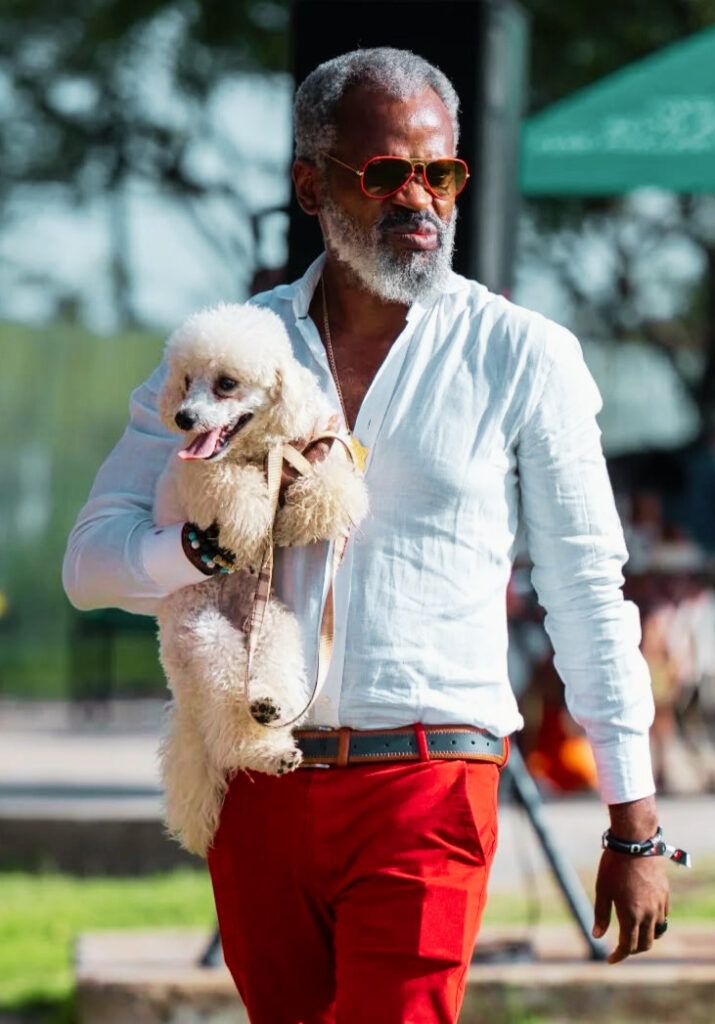
A stroll of silent status. From the royal courts of Europe to the weekend gatherings of Nairobi’s elite, the poodle remains a four-legged proof of leisure. In upmarket Nairobi, a gentleman does not walk his dog—he displays it: groomed, calm, and utterly useless for anything but looking expensive.
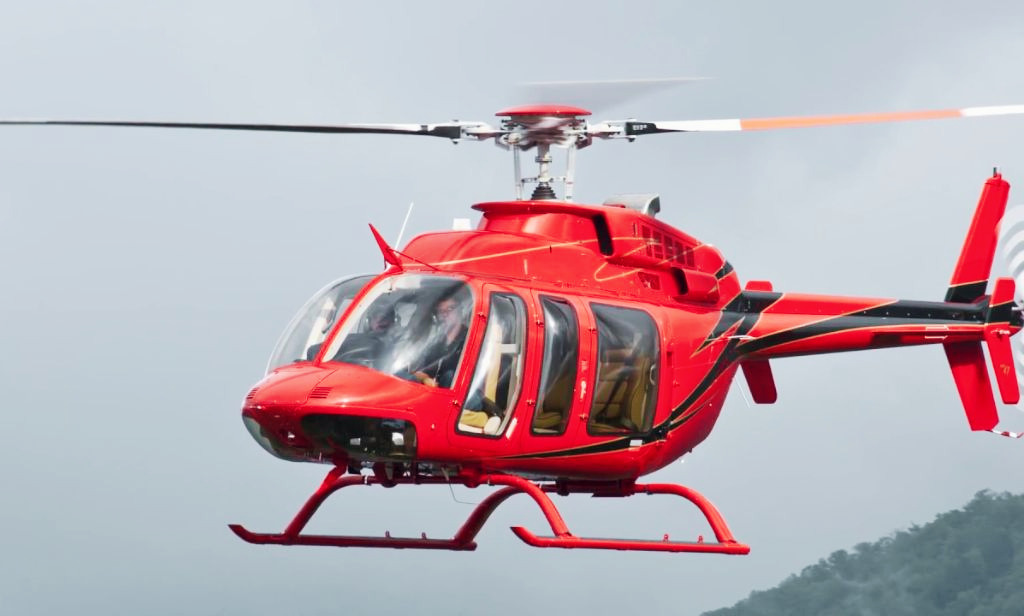
The Price of Time. For Kenya’s ultra-rich, a traffic jam is not just an inconvenience but an insult, easily bypassed by the rotor blades of a helicopter. Renting a small chopper costs upwards of Ksh 150,000 per hour, a sum that transforms speed into a commodity reserved for those who measure their minutes in millions.
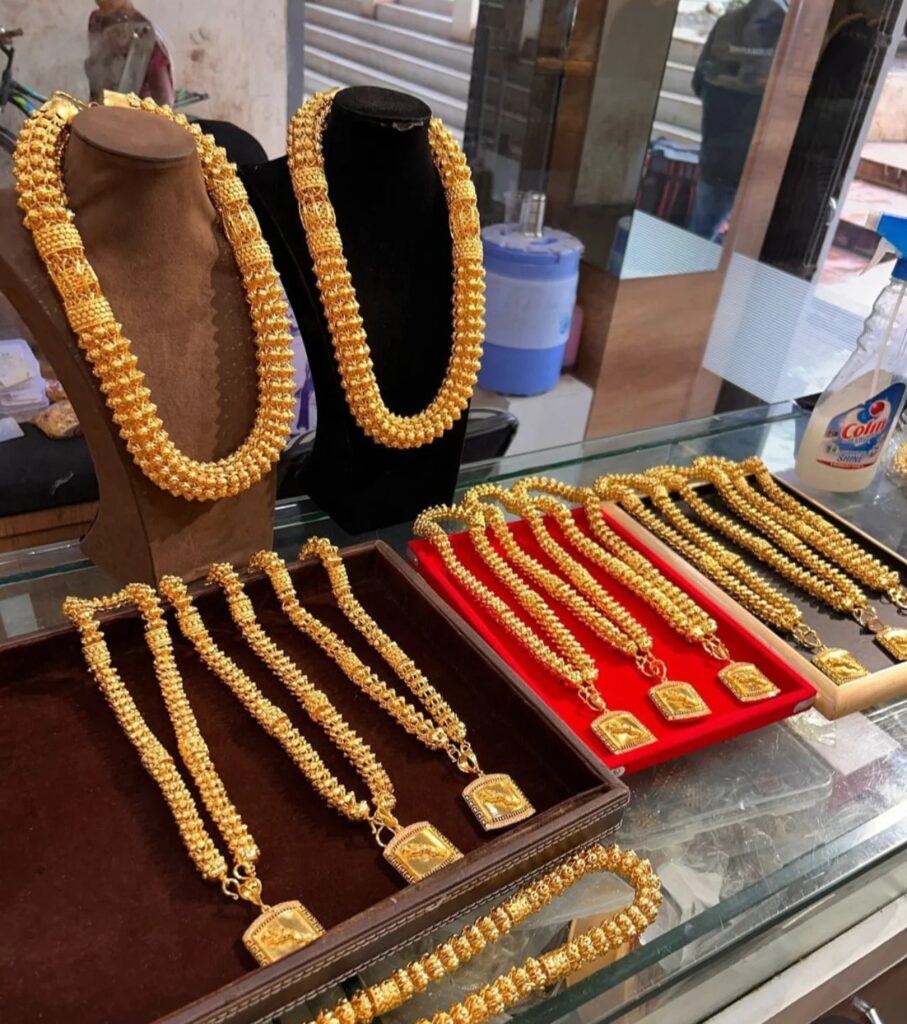
Jewelry on The Avenue. In the heart of Nairobi’s Central Business District, a luxury shop displays gold necklaces not as jewelry but as portable monuments to wealth. Each chain gleams under fluorescent lights, promising its buyer the weight of success around the neck—heavy, yellow, and unapologetically on show for those who can afford to drape themselves in it.
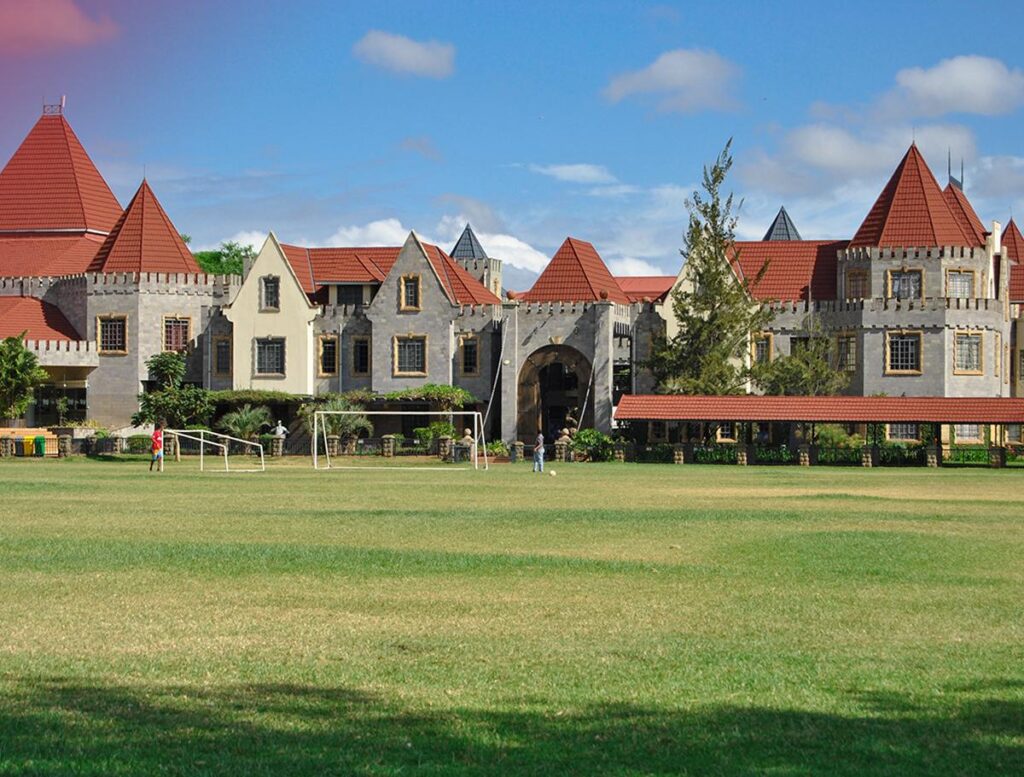
The Castle of Exclusivity. Windsor Castle, a name borrowed from British royalty, now stands in Nairobi as a monument to who belongs and who does not. Its manicured grounds and guarded gates offer a space where exclusivity is not an accident but an architecture—a backdrop for weddings and whispered deals for the few, and a wall for everyone else.
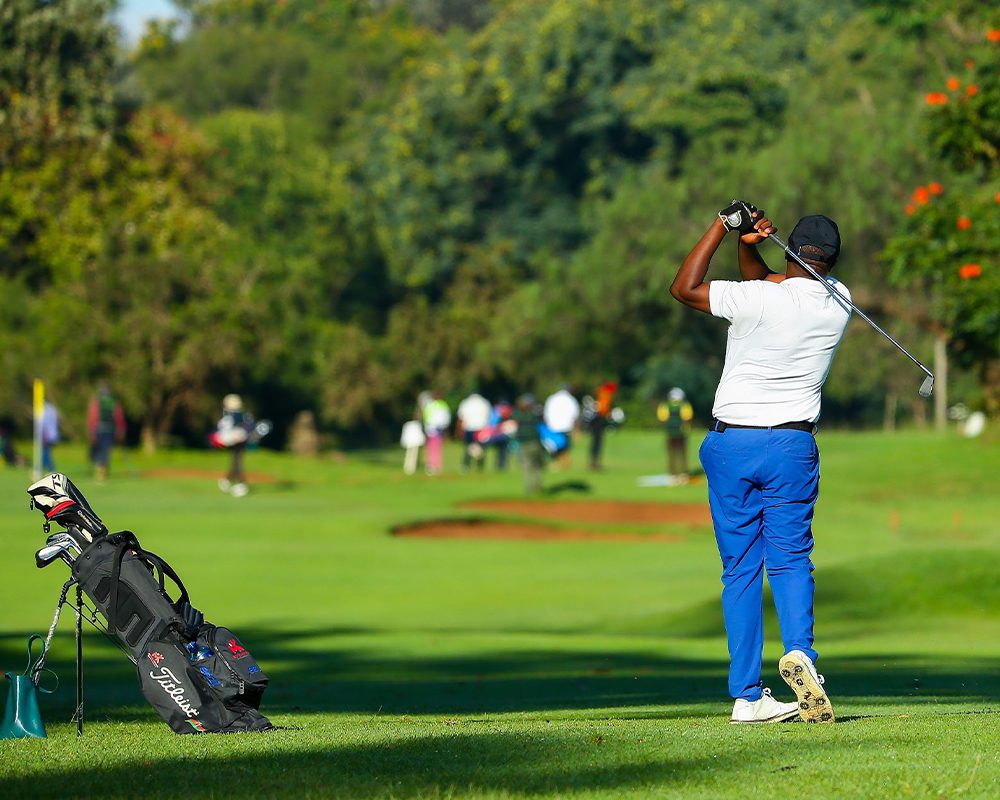
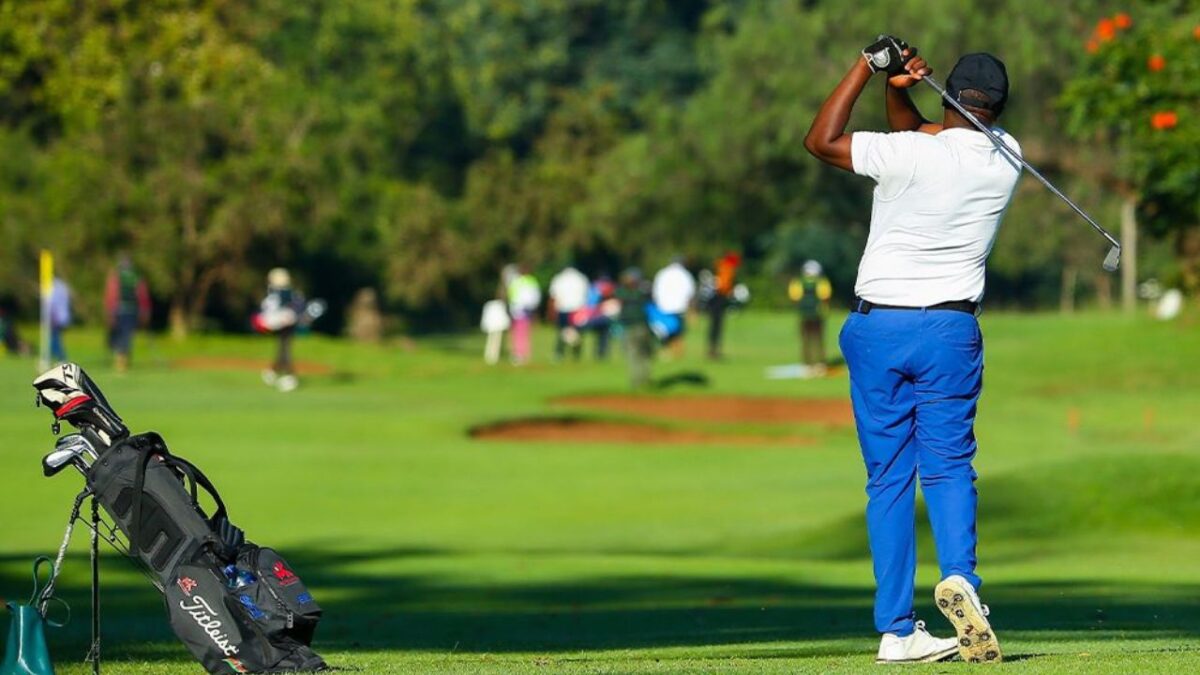
The Art of The Tee. At a quiet resort outside the city, a man tees off as the sun climbs over the fairway. Golf in Kenya has shed its colonial skin and grown into a genuine passion, yet it remains a leisure of means—green fees, memberships, and equipment that quietly filter out anyone who cannot afford to spend a morning chasing a small white ball across acres of manicured grass.
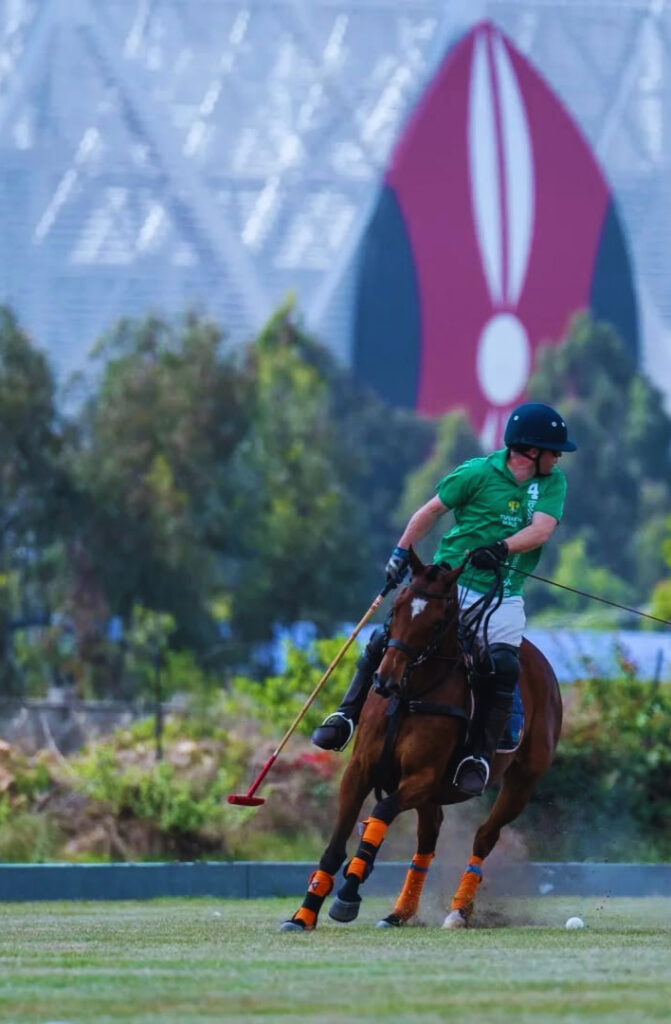
Polo and the Stadium Beyond. With Talanta Stadium rising in the distance, a gentleman on horseback strikes a polo ball across the field. Polo in Nairobi is more than a sport—it is a lifestyle, a tribe of riders and spectators who share not just a game but a zip code. The stadium, built for the masses, serves only as a skyline; the real action happens where horses and money move together.
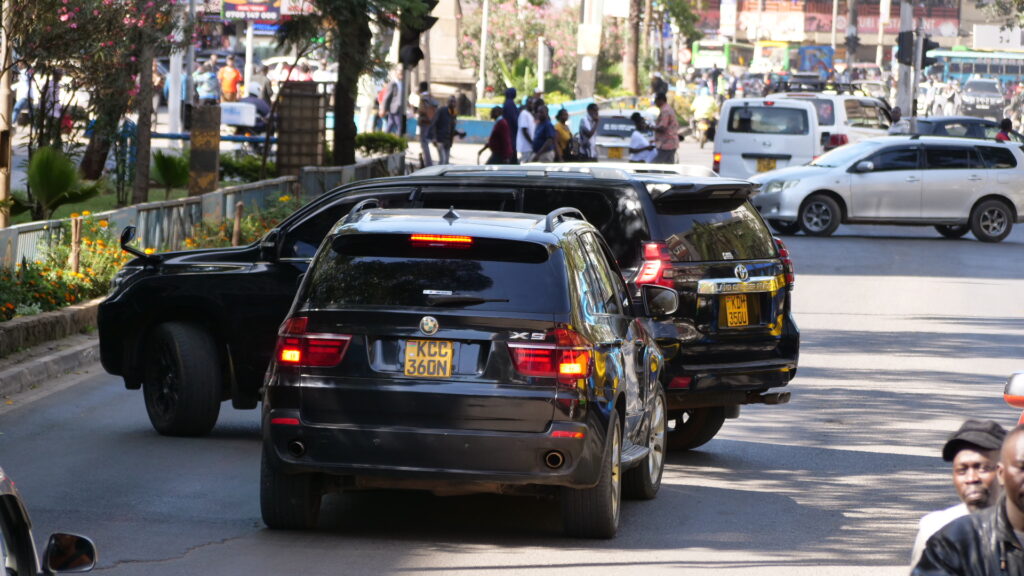
The U-turn on the Highway. In the middle of a traffic snarl-up, a top-of-the-range car performs a slow, deliberate U-turn, cutting across lanes to escape the queue. No siren, no emergency—just the quiet arrogance of class impunity. For the elite driver, traffic laws are suggestions, and the highway is a stage for demonstrating that some people simply do not wait.
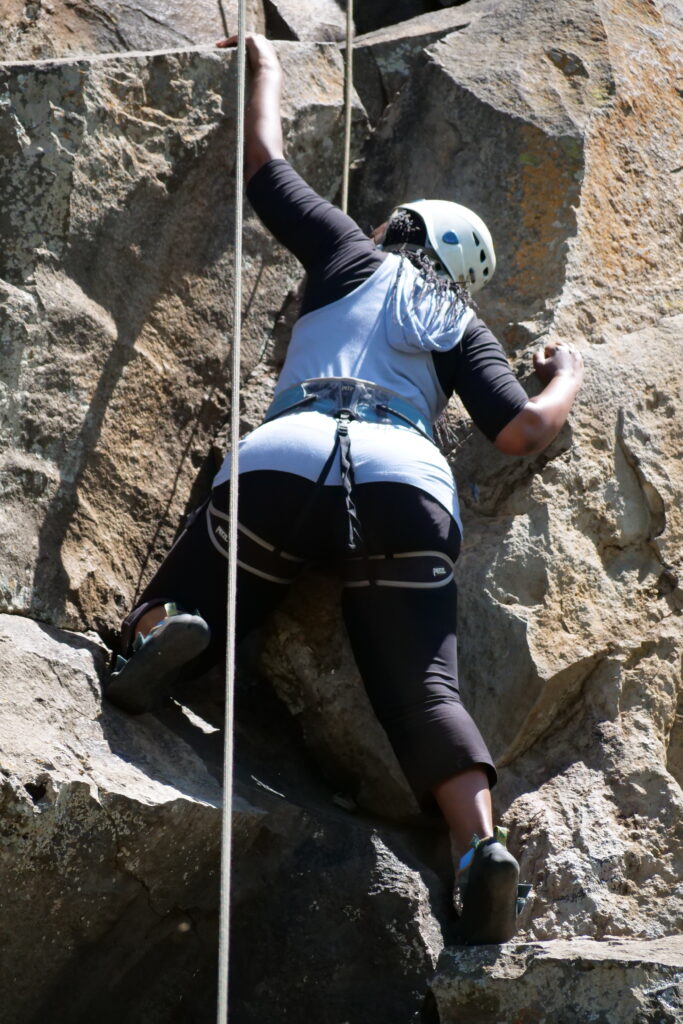
Testing Knots, Testing Self. A young woman secures her rope and begins to climb the rock face, each knot a promise of safety and each move a conversation with fear. Rock climbing in Kenya is growing as a practice of self-actualization—not for glory, but for the discipline of the ascent, where the elite trade gold for grip strength and measure wealth by the challenges they overcome alone.
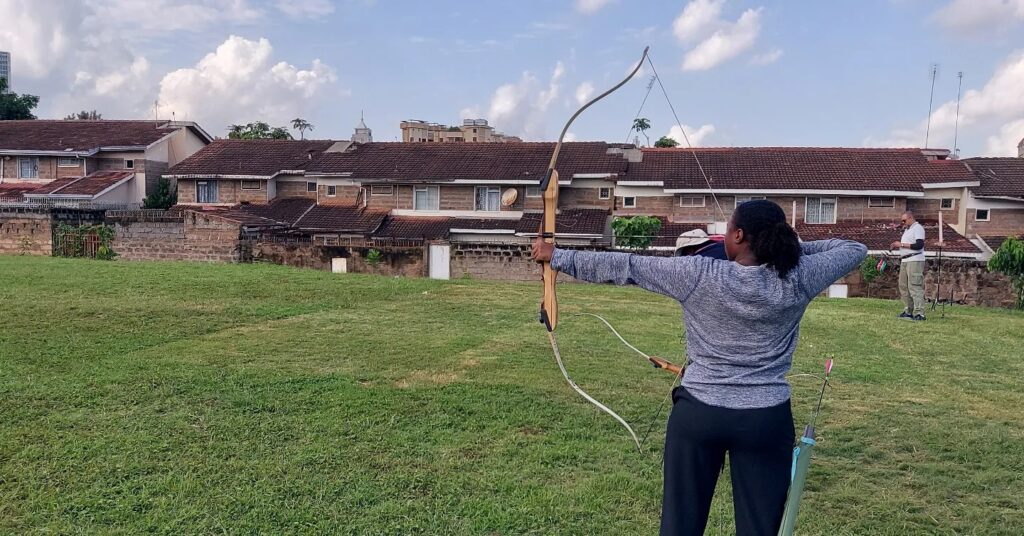
The bow and the Breath. Archery has found a growing fanbase around the city, drawing those who seek focus in a distracted age. Drawing the string requires stillness, aim requires patience, and release requires trust—a trifecta of virtues practiced on quiet ranges. For these adventurers, the real journey is not distance travelled but the millimeter of control over a flying arrow.
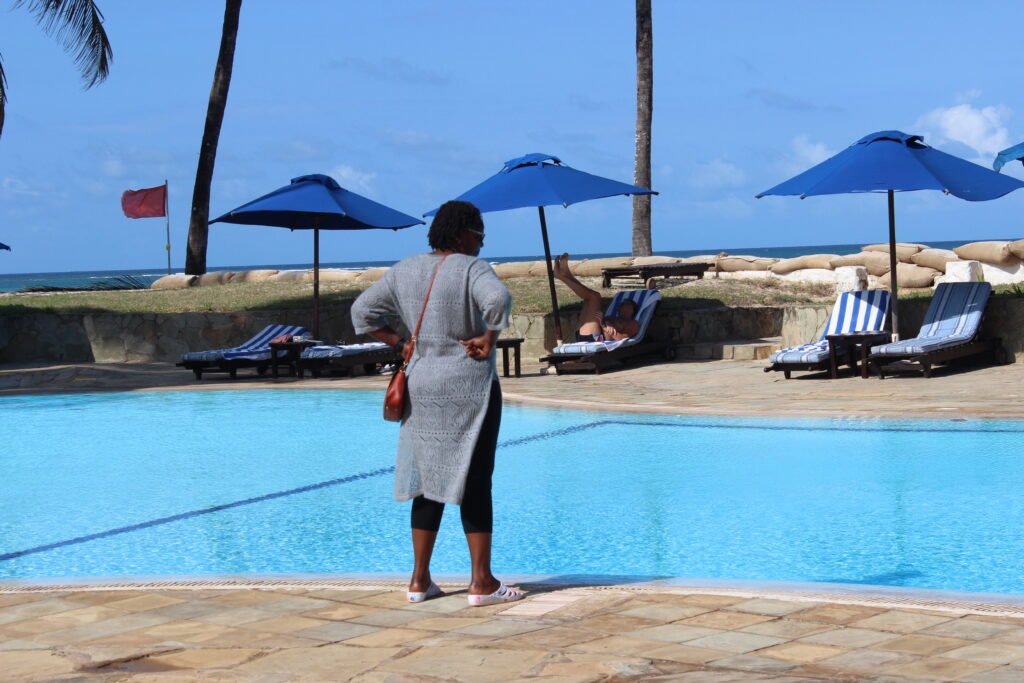
The Ocean’s Invitation. For middle- and upper-class families from upcountry, the beach has always been the ultimate reward—a place where the heat of the coast meets the cool of a holiday. The ocean represents escape from deadlines and dusty roads, rest without performance, and a horizon that erases the difference between those who have made it and those still on their way.