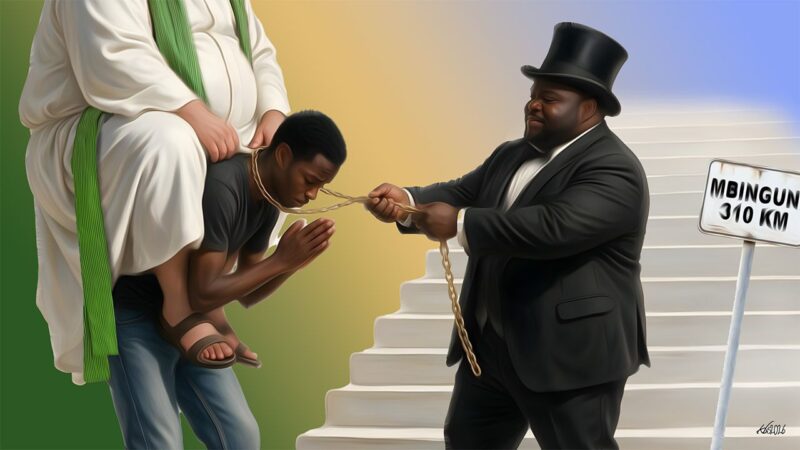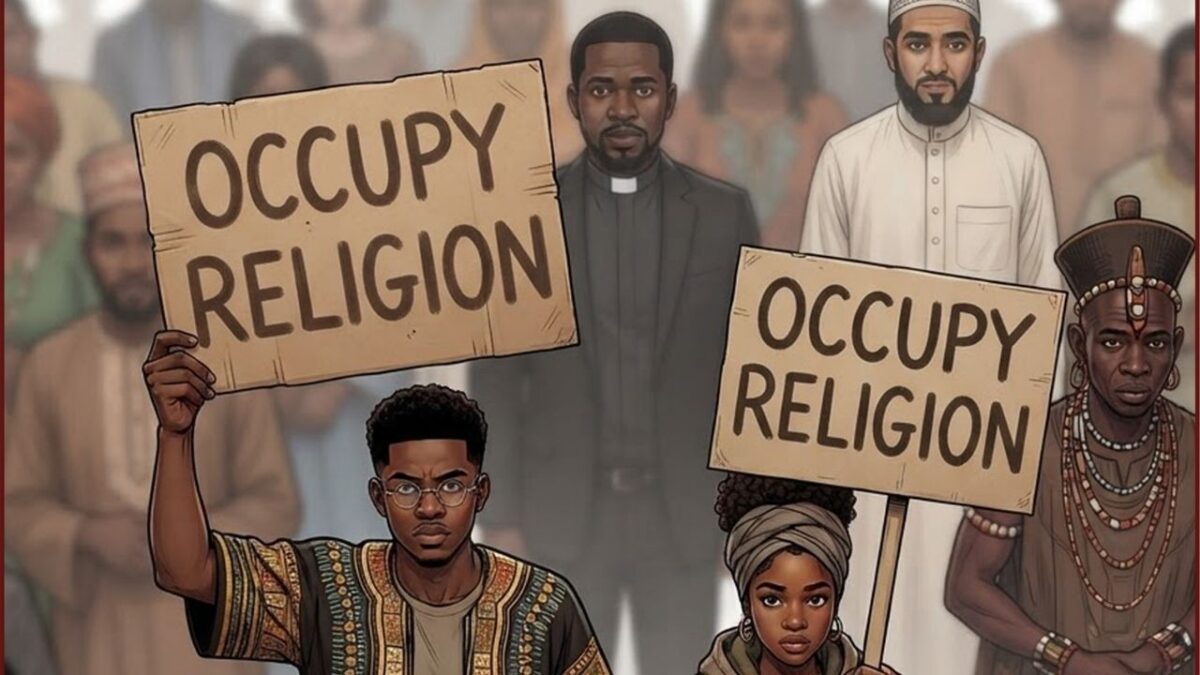
Since the “Occupy Churches” mobilisations of 2024, religious institutions across Kenya have come under intensified public scrutiny, not merely over doctrine, but over power, money, and accountability. Citizens are increasingly aware of how certain churches and ministries operate as extractive structures, deploying fear, guilt, miracle-economy promises, and prophetic endorsements to secure tithes, offerings, votes, and social control, while doing far less to advance justice, transparency, social protection, and the common good.
Captain Ibrahim Traoré’s recent interventions in Burkina Faso, in which he has openly questioned how religion should function within a secular republic and cautioned against its use to divide citizens, crystallise a broader continental mood. The issue is not whether religion should disappear from public life, but whether its immense symbolic authority and organisational capacity will serve elite interests or public ethics. Put differently: will churches, mosques, and other religious communities deepen democratic culture and social responsibility, or reinforce patronage, impunity, and sectarianism?
For a younger generation in particular, cynicism about institutional religion has moved beyond the familiar woke labels of the 2010s. Rather, they find it difficult to relate to a religion that has nothing to say about their lived realities. Instead, as a Nation TV news feature covered in 2025, religion has become removed from the daily lives of the people and exists only to endorse the colonial state and the venal class that supports it. What we have is a generation that has rejected the Ideology of Order that religion subjects them to, choosing to leave institutional religion and to define faith on their own terms. For a clergy trained in colonial theology, these phenomena find them in a stalemate. This series therefore explores these tensions.
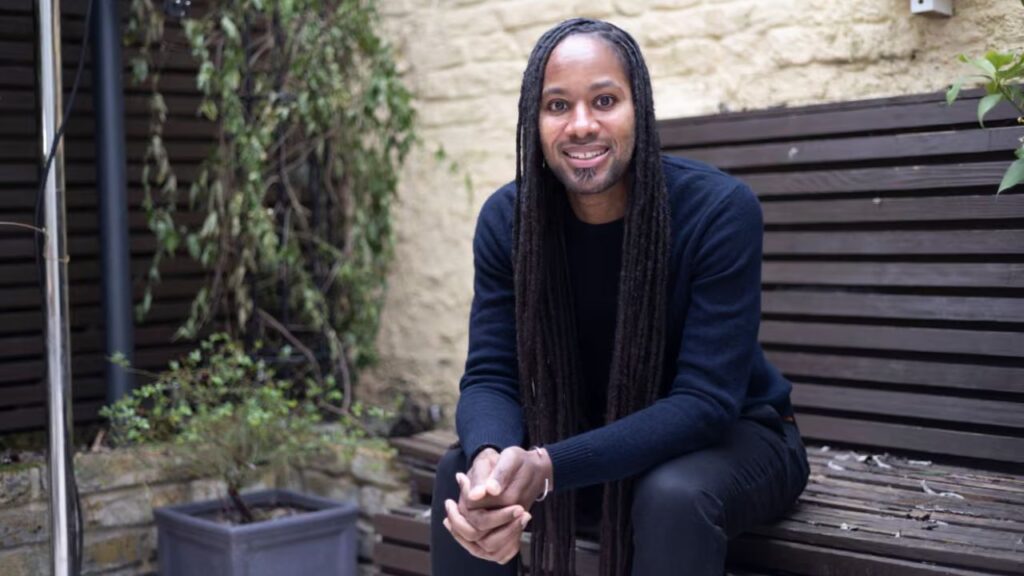
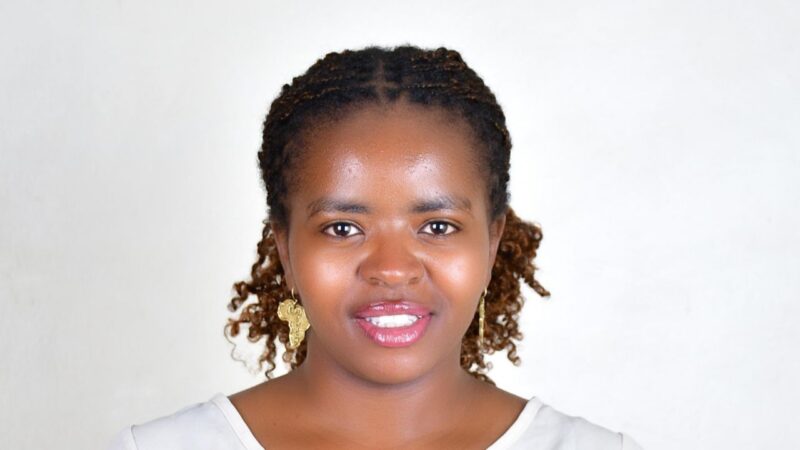
As Wandia Njoya notes, faith has nothing to do with identity, and the attempt to include a metaphysical construct to codify racial, gender, and ethnic categories is a Eurocentric lens that only serves to cement division and colonial hierarchies. Elsewhere, Nelly Madegwa and Akal Mohan grapple with their faith in light of a country that desperately needs a prophetic voice to speak to the plight of young people. Finally, Ivan Mayabi, Nyambura Mundia, and Ochillo Oyugi reflect on the church’s failure to articulate a broader social vision that would inspire a younger generation to consider the church’s place in present-day Kenya. Their analysis assembles a portrait that is at once grim and biting, exposing the profound intellectual and moral bankruptcy at the heart of religious life. Confronting this truth is the first step in thinking about the role of religion in society.