|
Getting your Trinity Audio player ready...
|
In the weeks leading up to the storming of the Kenyan parliament in June 2024, I noticed a unique element in the type of people who attended the protests; they polled much younger, more enthusiastic, and some wore fairly pricey clothing. Not exactly what we have come to expect of Kenya’s rank-and-file rioters.
The quest for justice expressed through protest had found resonance with the type of Kenyan who would often be considered apolitical and indifferent to politics. They are not the group most invested in the mechanics of dealing with teargas, running battles, and placards. Something had changed, we just didn’t fully appreciate it yet. Somehow this apathetic regime had finally managed to enrage a unique, previously indifferent cluster: the middle-class Gen Zs.
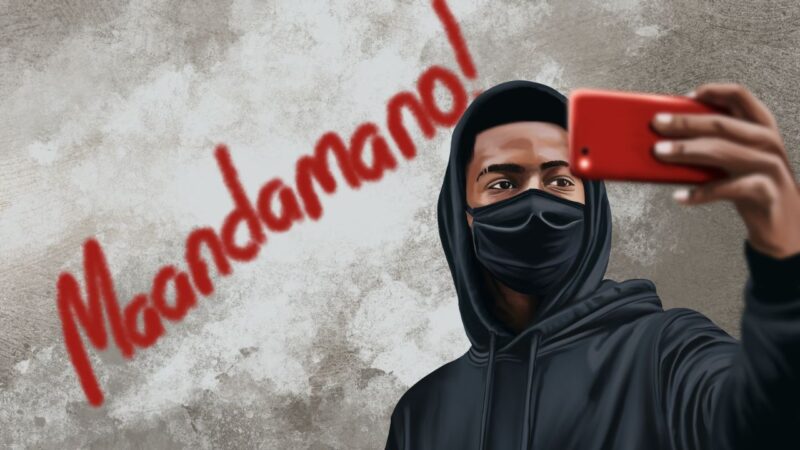
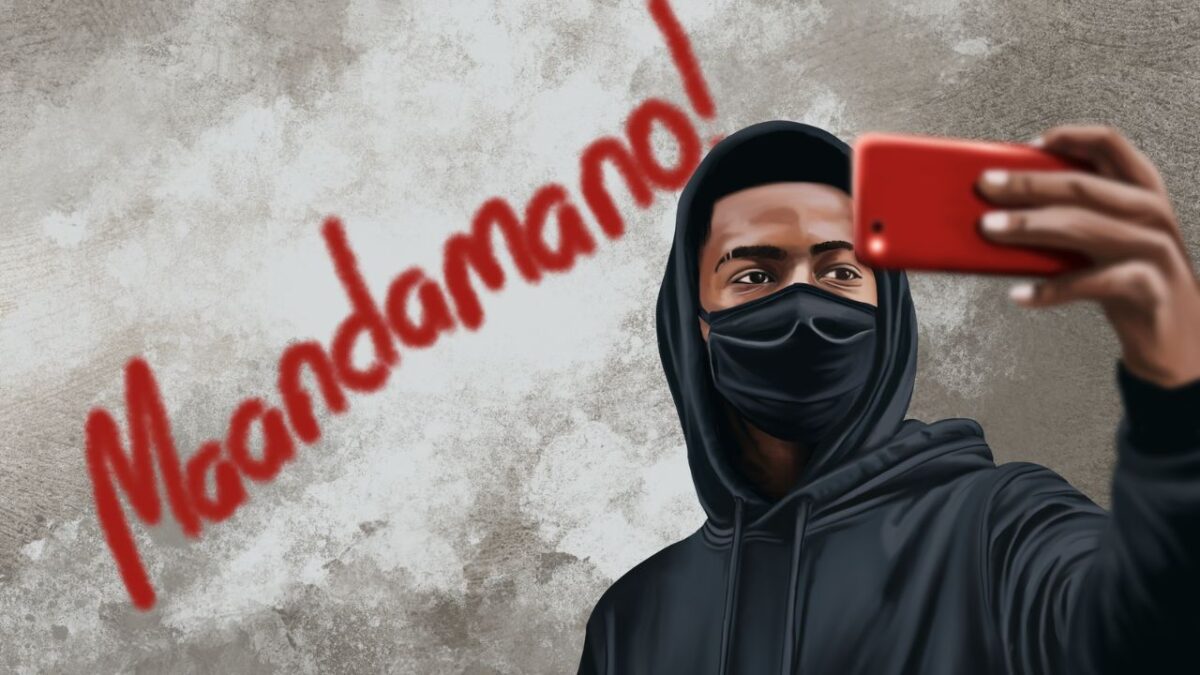
In the heated political climate of mid-2024, Kenya witnessed an unprecedented wave of protests led largely by its Generation Z. While the immediate trigger was the controversial Finance Bill, the movement was distinguished not just by its scale but by its form. This was a revolution articulated through art, creativity, and a masterful use of the public space, demonstrating a profound and sophisticated handling of artistic freedom as a tool for resistance, mobilization, and memory. Music, visual art, and digital creativity have become the lifeblood of the movement, giving voice to the voiceless and fuelling calls for change.
Art meets maandamano
For Kenyan Gen Zs, the expression of artistic freedom became the primary language of dissent. The typical protest, characterized by marches and chants, was subsumed into a broader, more creative spectacle. The streets of Nairobi transformed into a dynamic, open-air gallery. Visual art and the national flag were reclaimed as symbols of resistance, becoming trendy and powerful identifiers for a disillusioned youth.
Placards and banners carried in the 35 of the 48 counties that experienced protests were not mere cardboard and paint; they were vessels of sharp, poetic copywriting that defined the identity of the grievances against the regime. These creations provided clarity in the face of obfuscating political rhetoric, energizing the masses and forging a visual alliance both on the ground and online.
This artistic fluency did not emerge in a vacuum. It was cultivated in the weekend street photography and videography sessions that had revitalized Nairobi’s central business district over the preceding years leading up to 2024.
Initially facing pushback from the state and vulnerable to crime, these weekend artistic gatherings on Uhuru Highway and Kenyatta Avenue in the heart of the city were later endorsed by the Nairobi County government. This provided a crucial, non-political arena where Gen Zs developed a deep, tactical familiarity with the city streets.
When the protests erupted, this cohort did not see an alien urban landscape; they saw a territory they already owned spatially and creatively. The outcome of these continuous artistic activities by Gen Zs became undeniably visible as the same streets became the stage for a powerful subculture of protest art.
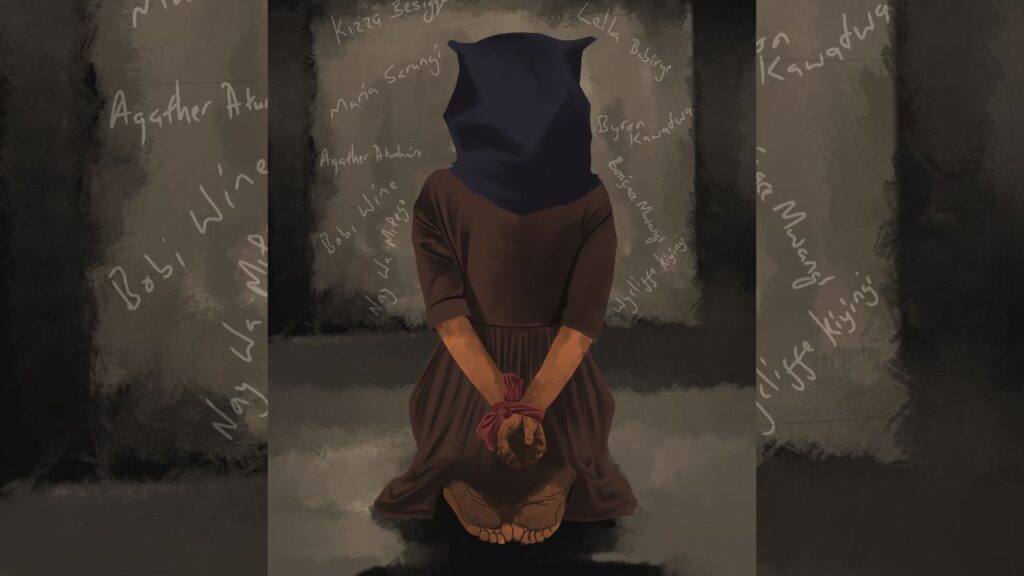
The ground zero of the state’s reaction to artistic freedom was the abduction of George Kibet, aka Kibet Bull. Kibet was abducted by suspected security officials on 24 December 2024, shortly after meeting Busia Senator Okiya Omtatah at the latter’s office in Nairobi. The digital cartoonist Gideon Kibet, known for his viral caricatured silhouettes of President William Ruto, was released on January 6th after international outcry about the Kenya government’s reaction to the pro-governance protests.
Music served as the movement’s heartbeat. Understanding that a revolution must be musical to sustain energy and unity, protesters curated and created songs that crystallized their ideas. The phenomenon went beyond spontaneous chanting. On streaming platforms like Spotify, users created public “Maandamano” playlists, turning individual expression into a collective, curated audio-visual activism. This protest music was highly derivative and communal—a form of common intellectual property borrowed from gospel, traditional tunes, sports chants, and pop music. Songs like Gidi Gidi Maji Maji’s Unbwoggable from a previous political era were resurrected, while new chants like Yote Yawezekana Bila… targeted contemporary figures. This demonstrated a generational understanding of the power of music to convey emotions and uncomfortable truths that mere words could not.
Protest literature
Beyond the physical confrontation, the sheer poetry and strong imagery associated with the protests were a sight to behold. The typical concept of protests, mainly exercised through street demonstrations and actions, had given way to a broader embrace of other subversive forms of opposition: the arts.
Perhaps the most intellectually nuanced deployment of artistic freedom was in protest literature. Gen Zs weaponized their high school curriculum, pulling characters and themes from set books to articulate this contemporary struggle. They deployed scenes from Francis Imbuga’s play Betrayal in the City and used characters from Timothy Arege’s Mstahiki Meya to convey messages about corruption and governance.
The sarcastic wit of Tumbo Lisiloshiba and the power dynamics in Pauline Keya’s Kigogo found new life on X (formerly Twitter) and TikTok. This transformed abstract academic works into tangible, relatable stories, proving that the revolutionary spirit was, in part, inspired by the literary canons Gen Zs had studied.
Art goes Digital
Finally, artistic freedom extended into the digital realm to build solidarity and archive memory. In a staggering show of online comradeship, millions of Kenyans applied a filter of slain citizens to their profile pictures on X. This act, reminiscent of a similar tactic used to protest femicide earlier in the year, created a symmetrical relation of visibility among dissenters. It was a digital demonstration of shared empathy and social capital, endowing the movement with a powerful, unified online identity.
Kenyan Gen Zs handled artistic freedom not as a passive right but as an active, multifaceted strategy. They synthesized visual art, music, literature, and digital innovation to fuel a resistance movement that was as culturally rich as it was politically potent. They proved that in the face of repression, art is not a sidebar to protest; it is the very medium through which a generation claims its voice, forges its identity, and writes its history.
The Gen Z-led commemorations of the protests in June 2025, and on Sabasaba Day on 7 July, proved that they were not merely political events; they are cultural phenomena. At the heart of this revolution, artists and arts collectives have played a pivotal role, documenting the emotional journeys, visualizing collective traumas, anchoring the diverse array of lived realities, transforming the moments into living galleries and archiving the unfolding contestations. They, the Gen Zs, deployed art to express their message while also documenting these protests for future generations, a vault in which the embers of artistry and demand for change continue to glow.