|
Getting your Trinity Audio player ready...
|
Pastoralists offer significant potential for a sustainable future in Africa’s dryland frontiers. However, this potential is increasingly threatened by both human and natural challenges. Pastoral livelihoods are shaped by environmental uncertainty, marginalization, and policy neglect, yet they remain viable if supported by targeted investment and commitment. Over the past decade, climate shocks such as droughts, floods, and livestock diseases have undermined pastoralism as both a livelihood and a way of life. Simultaneously, large-scale infrastructure projects, green energy development, and conservation initiatives are transforming these landscapes. The mobility that once defined pastoralism is now restricted by wind and solar energy projects, carbon offset initiatives, and major conservation efforts, leading to new conflicts and fragmented rangelands. Investment policies that favour sedentary agriculture over pastoralism have resulted in underinvestment and reduced mobility, making pastoral systems less resilient.
Pastoral livelihood is undergoing transformation, adapting to changing times, technology, markets and institutions, which results in diverse social differentiation. A significant challenge is the emergence of a generation of younger, educated pastoralist generation that must navigate the balance between contemporary and traditional approaches. Many young pastoralists are pursuing hybrid pathways; maintaining ties to pastoralism as absentee herd owners, through remittances, and by engaging in livestock business and livestock product value addition. Traditionally, pastoral knowledge has also been preserved through stories, oral poems, plays, songs, and lived experiences, rather than written records. However, these practices are weakening. As generational shifts occur, preserving customary knowledge and practices are instrumental to enabling the emerging younger pastoralists, absentee herders, and policymakers to stay connected to pastoral practices as they adapt to intersecting uncertainties and changing times.
Research in the Horn of Africa highlights the often overlooked economic benefits of pastoralism, which are not fully reflected in GDP figures. Current production economic metrics do not capture the broader ecosystem value provided by pastoralists, such as contributions to biodiversity and tourism through conservation efforts. As a result, existing models underestimate the sector’s true value. Contrary to the belief that pastoralism is outdated, the IGAD Centre Pastoral Areas and Livestock Development report shows that livestock in Kenya, for instance, contributes approximately 2.5 times more to agricultural GDP. In 2023, livestock meat exports generated US$146.15 million, highlighting the sector’s significant contribution to national GDP. These figures demonstrate substantial investment opportunities in pastoral systems for governments and development partners, considering pastoralists succeed in arid and semi-arid regions with unpredictable rainfall and uneven resource distribution. Land classified as low potential can be converted to high-value rangelands of abundance by using sustainable and indigenous knowledge to navigate challenges.
Positioning pastoralism as a socio-economic and ecological asset creates opportunities for more strategic and impactful investments. The goal is not to replace pastoralism, but to support it with targeted, deliberate and complementary investments that foster both resilience and long-term growth.
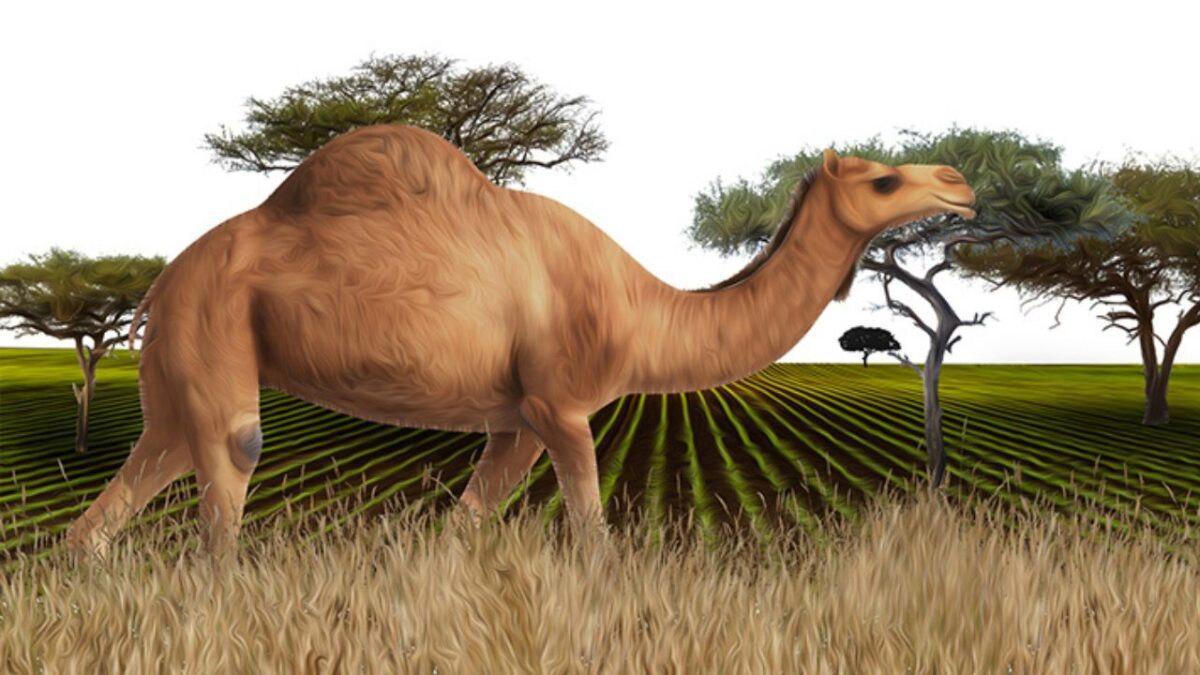
Investment in the livestock value chain, from feed production to product processing for export, which remains underdeveloped in many pastoral areas, is a key pathway to positioning pastoralism as a socio-economic and ecological asset. Strengthening this value chain offers significant potential for both social impact and commercial viability, provided risks are managed effectively. The beef and leather sectors, in particular, present strong opportunities to empower women and youth. Key interventions include establishing aggregation centres for hides and skins, investing in modern abattoirs, upgrading leather processing equipment, and improving infrastructure for leather products. In the beef sector, there is a need to promote value addition technologies, product development, and training in quality control. Engaging young women and men in the camel value chain is also essential for sector growth. Investment should address downstream needs, such as rehabilitating water infrastructure, as well as upstream opportunities, such as developing cold value chains, supplying aluminium cans, and enhancing facilities for camel milk value addition and marketing to meet urban demand. Strengthening access to financial services is also critical. Collectively, these measures can increase household incomes, create employment through value-added industries, and support environmental sustainability.
A second key pathway is preserving traditional knowledge. Without active efforts to capture and share traditional knowledge, valuable practices such as rotational grazing, drought prediction, and herd diversification may be lost. Documenting indigenous knowledge, which remains sparsely recorded and at risk, requires commitment to digitization through film. Preserving traditional knowledge in a digital format is a social process that involves pastoral communities as co-creators rather than just data sources. As climate pressures increase, adaptive, inclusive, and knowledge-driven rangeland management is more important than ever. A pastoral knowledge repository hub can honour traditional knowledge while preparing communities for the future. Integrating oral traditions with digital tools enables the creation of systems that are smarter, more just, resilient, and grounded in real experience. The goal is not only to preserve knowledge, but to also ensure it evolves, informs, and empowers those who rely most on the land.
A third pathway is policy support. Pastoralists are essential stewards of dryland ecosystems. Their close relationship with the environment enables them to conserve and manage these landscapes, using livestock for both livelihoods and ecosystem services. Traditional knowledge and practices help pastoralists sustain biodiversity, enhance carbon sequestration, control bush encroachment, and maintain healthy grasslands. However, drylands face increasing pressure from large-scale infrastructure projects and the expansion of private ranches and conservancies, which often disrupt existing land governance systems. Aligning policies with pastoralist livelihoods and governance is crucial for sustainable and responsible investment in these regions. This requires securing land rights, involving pastoralists in resource management, and promoting participatory land-use planning. Such policy support will foster resilience, growth, and a favourable environment for private-sector engagement in drylands.
Reframing the prevailing narrative is also key. The current portrayal of pastoral rangelands as barren, empty, and inherently conflict-ridden oversimplifies the complex realities of drylands. Media coverage, both local and international, often relies on outdated, crisis-focused perspectives that ignore the adaptive systems, knowledge, and resilience within pastoral communities. These reductive narratives have immediate and long-term impacts, influencing policy, resource allocation, and public perception in ways that undermine local futures. Reframing this discourse requires more than replacing negative stories with positive ones. It calls for prioritizing voices with lived experience, such as journalists, academia, researchers, and storytellers from these regions, rather than relying on external reporting that focuses only on crises. Most importantly, effective counter-narratives should come from local media and institutions, be evidence-based, and clearly communicate the realities of pastoral systems and ways of life. Only through intentional and authentic storytelling can we reshape existing narratives to more accurately reflect local realities and dryland dynamics.
In conclusion, as the world marks the International Year of Rangelands and Pastoralists (IYRP-2026), it is essential to shift the narrative from viewing pastoralism as a crisis to recognizing it as a sustainable food and socio-ecological system. Framing pastoralism as a problem limits its potential. Reframing is both a practical and strategic necessity. As climate change intensifies and natural resource pressures grow, the insights from pastoral systems will become increasingly valuable. This is an opportunity to realign investments and realize the full value of pastoralism in a changing world. With effective policy, technology, targeted investment, governance reforms, and cross-sector collaboration, pastoralism can become a key contributor to sustainable food security.