|
Getting your Trinity Audio player ready...
|
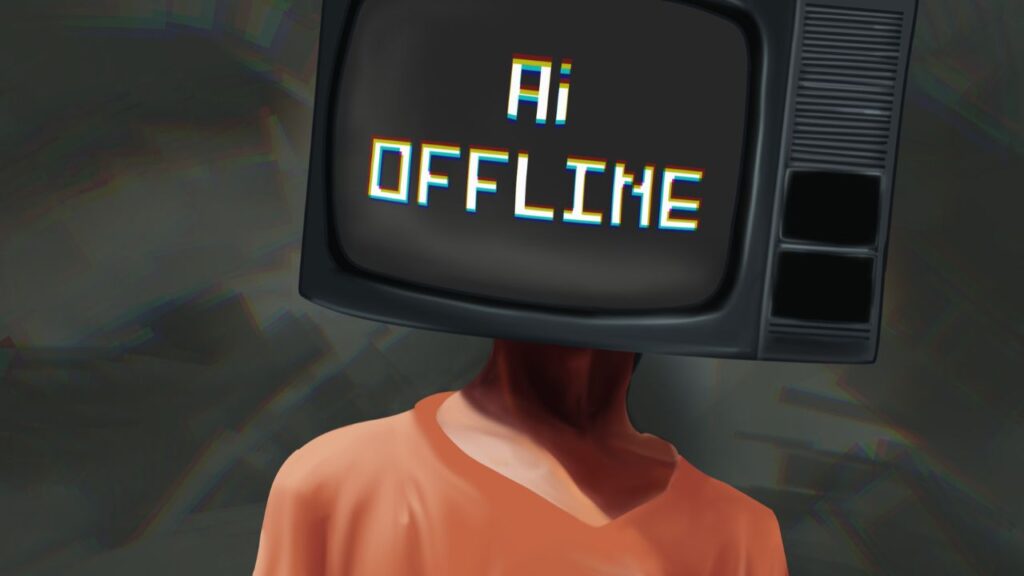
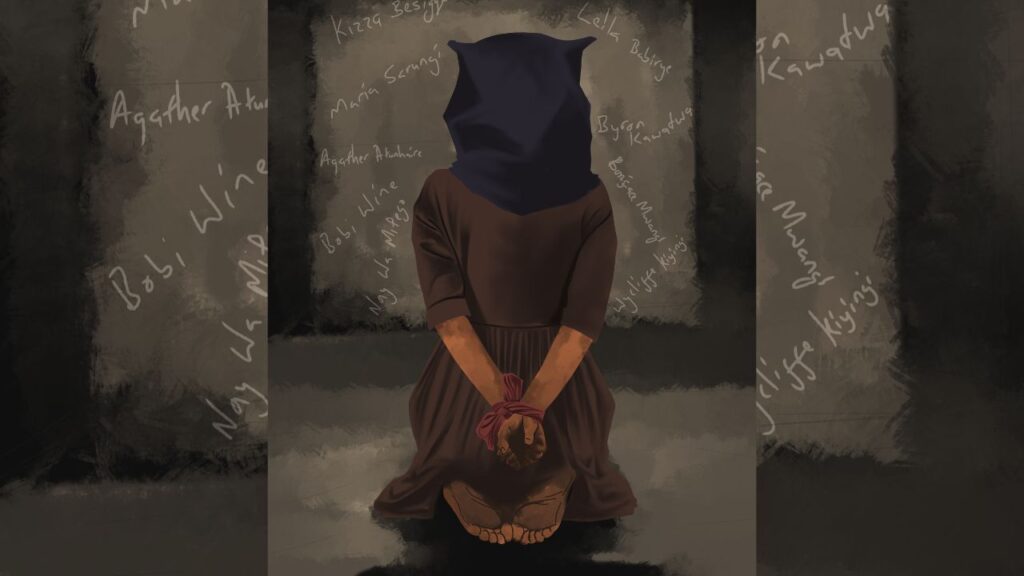
In a Uganda long accustomed to provocative social media flurry from Army Chief General Muhoozi Kainerugaba, two recent developments shocked even the most cynical observers. On the night of 27 June, the general ordered the closure of two leading independent outlets: the Daily Monitor and NTV Uganda, both owned by Kenya’s Nation Media Group. Days earlier, soldiers staged a midnight raid to snatch Kampala’s Lord Mayor, Erias Lukwago, who doubles as lead counsel for jailed opposition heavyweight Dr Kizza Besigye.
As troops sealed the media houses’ Kampala premises, the general posted on X: “In Uganda, I do not believe in a free press! The press should be guided by cadres of the revolution.” He claimed his father authorised him in 2017 to shutter “ANY media house.”
Throughout Lukwago’s detention, he maintained a mocking online commentary, boasting he had “captured a fool and taken him to the basement.” Posting photos of the blindfolded politician, he taunted: “This one needs diapers; he has peed himself like a baby.” He also cited past instances of brutal interrogation of activists in that facility. Later reports suggested the mistreatment was exaggerated, but the spectacle triggered chilling comparisons with Idi Amin’s era of arbitrary detentions and public humiliation.
Pushing back against claims of erratic behaviour, he posted on 15 June 2026: “Ugandans are beginning to understand that there is a method to the madness. The so-called “madness” is the strategic clarity required to secure our future.”
He is right. Dismissing these theatrics as mere antics misses a broader political blueprint. This volatility serves a distinct function within President Yoweri Museveni’s 40-year rule.
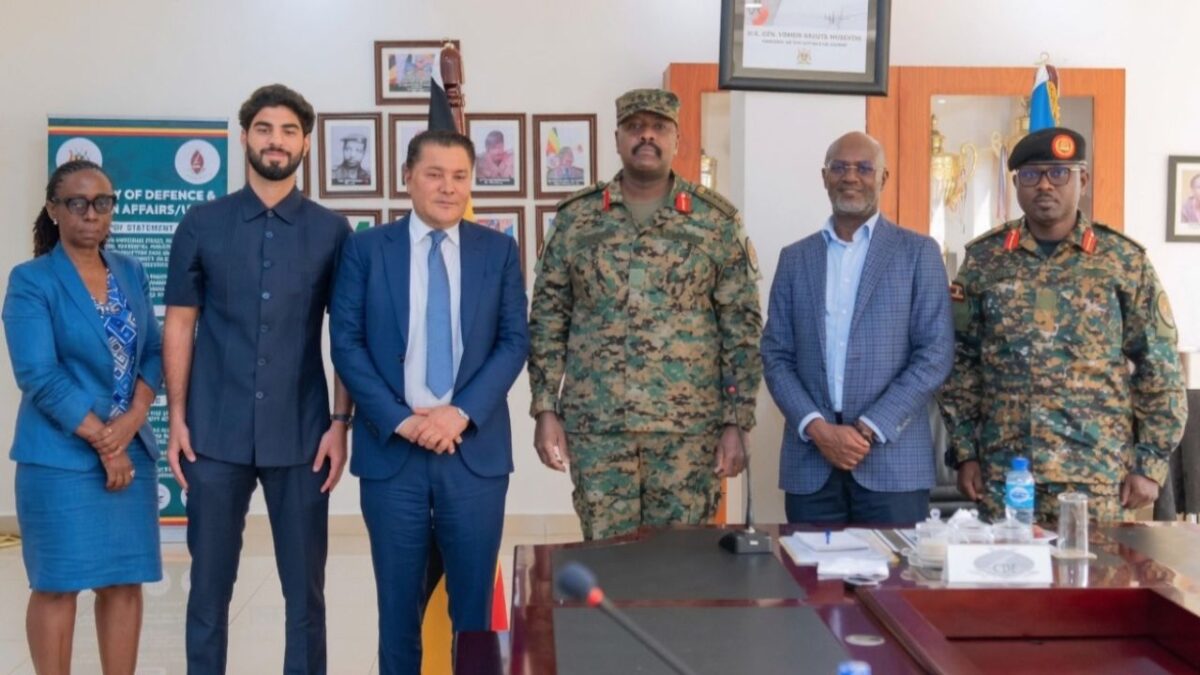
A 1 July meeting between Muhoozi and his long-time associate journalist Andrew Mwenda, who is the communications lead of his Patriotic League of Uganda, yielded reports of “progress”. Also present were NMG owner and Tanzanian billionaire Rostam Aziz, NMG Group Managing Director and CEO Geoffrey Odundo, and Group Editor-in-Chief Joe Ageyo (both flying in from Nairobi), as well as Monitor Managing Editor Allan Chekwech and other officials. While some agreements on reopening were reached, the shutdown is entering its second week with no official return date in sight.
Explaining why the hammer fell on the Monitor and NTV, Mwenda, alongside Alan Kasujja, head of the government Media Centre and spokesperson, told me the closures had the president’s blessing. Kasujja added that the state’s grievances against the outlets “are many, held for long, and have just burst to the surface.”
At 82 and in power since 1986, Museveni faces the classic authoritarian dilemma of succession. With state outlets faltering, independent media platforms have become unusually influential; silencing them is part of a wider contraction of critical space. Opposition veteran Kizza Besigye was already sidelined with treason charges, and Museveni’s main challenger in the January 2026 vote, Robert Kyagulanyi (Bobi Wine), was driven into exile. Erasing high-profile dissent and independent reporting clears the runway for the president to shape the transition without turbulence.
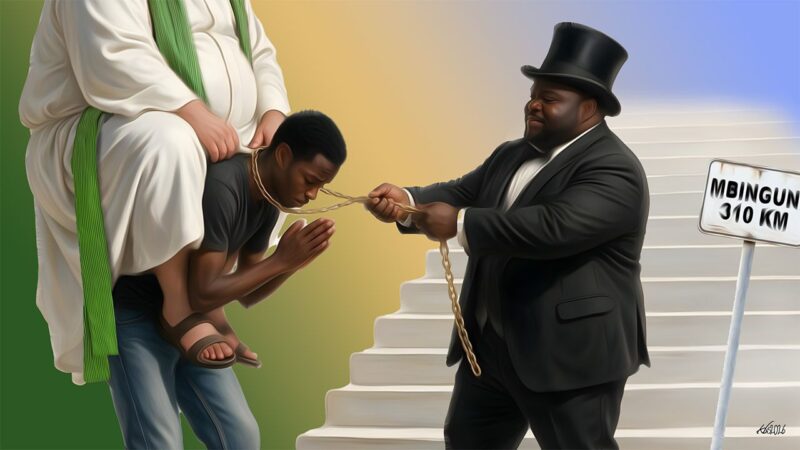
Many in Kampala assume Museveni is engineering a family dynasty, grooming Muhoozi as successor. For years, the general’s posts broadcast raw presidential ambition. Yet after Museveni chose to stand in 2026, the son publicly stepped back, citing imperfections and pointing instead to his uncle, retired General Salim Saleh—a popular, low-key figure regarded as the “shadow president” —who was running Uganda as the Trinity. Museveni is the father, Muhoozi the son, and Saleh the Holy Spirit.
That shift reveals a clever division of labour: the presidency remains the family estate, and the patriarch shows no sign of stepping aside. By acting as an uncompromising enforcer, the son absorbs domestic and international flak, allowing the ageing president to conserve political capital. The likeable Saleh supplies the goodwill to counter the hate and anger.
Faced with predictable continuity or a volatile enforcer, many Ugandans prefer the familiar father. Godber Tumushabe, Associate Director of the Great Lakes Institute for Strategic Studies, told me, “Museveni might be using his son to get Ugandans to accept his continued presidency. Essentially, he is saying that between Muhoozi and Museveni, Museveni is the better devil.” Nevertheless, should the son later run for office, he will have raised the cost of entry so high that rivals will be priced out.
For now, Museveni, famous for his austere lifestyle, recently hinted at a very long future. After praising First Lady Janet Museveni’s recovery after hospitalisation, he wrote: “I pray to God to get us to 100 years respectively so that we, among other things, see the birth of the East African Federation, which is the insurance of Africa against any future domination.” The remark reinforces the sense that he intends to occupy the throne for years to come.
The Kampala grapevine is murmuring that a constitutional amendment may shift Uganda from a presidential to a parliamentary system, ala Zimbabwe, sparing an elderly president the gruelling national campaigns of the future. To secure this, the regime needs a compliant parliament and a cowed public.
Demographics explain further why fear is dramatically weaponised to achieve this. Uganda’s median age is just 17.1 years, one of the lowest globally. Chronic youth unemployment and bleak prospects have radicalised the youth, who form the core of street-level opposition. Theatrical brutality acts as a blunt deterrent, signalling that uprisings will face overwhelming force.
The same persona projects abroad to reassert Uganda’s regional muscle. In Somalia, where Uganda contributes a sizeable contingent to the African Union peacekeeping mission alongside a separate 8,000-strong bilateral force, Muhoozi publicly lambasted Turkey for failing to deliver promised support. He pledged—improbably to many—to deploy 10,000 Ugandan troops to defend Israel and the US against Iran, and “capture Tehran in two weeks.”
He previously launched aggressive campaigns against Western diplomats, clashing with US Ambassador William Popp and outgoing German Ambassador Matthias Schauer, threatening expulsions or suspending military cooperation over alleged interference.
Yet viewing him solely as a heavy-handed enforcer is simplistic. In a state bogged down by bureaucracy and corruption, Muhoozi has cultivated a populist appeal by acting as an anti-graft reformer who cuts through red tape.
His spectacular takedown of former Parliament Speaker Anita Annet Among, notorious for gross displays of allegedly ill-got wealth and weaponising power against rivals and the media, proved hugely popular.
He ordered the military engineering brigade to take over road repairs in Kampala; the army delivered reconstructed roads on schedule in Africa’s most potholed capital. For citizens exhausted by sluggish, corrupt governance, such direct action is refreshing.
Ultimately, General Muhoozi plays a dual role: a ruthless guardian of the ruling order and an efficient, results-oriented moderniser for a despairing public.
In all this, the irony is lost that the Monitor is a creature specific to the ruling NRM age. It was born during the heady Ugandan economic and first-stage political liberalisation honeymoon in July 1992, which also led to the 1993 founding of Sanyu FM in Kampala as East Africa’s first independent FM station. The Monitor is the only independent publication established in the broader post-Cold War opening in the region that remains a market leader. Its early rise was fed by the splintering in the NRM between the moderate/progressive and traditionalist/hardline factions, which culminated in the emergence of the “Elect Besigye Task Force” in 2000 and its transformation into the Reform Agenda pressure group in 2002.
My own sense is that the Monitor and NRM are so deeply intertwined that the end of the NRM and Museveni would probably also spell its end unless it is radically re-imagined, which is why the whispers that a partial acquisition of the Monitor by “NRM-friendly forces” is being mulled as a long-term condition for its reopening suggest a remarkably limited vision of the future.
We wait.
For now, whether Muhoozi remains an instrument to shield his father or secures his own path, his “method to the madness” is achieving its aims. The fear factor keeps House Museveni secure and is cowing the mainstream media.
But relying on terror in a country crowded with young, jobless, and angry citizens is a high-stakes gamble. The prince who carries out the king’s darkest tasks today may inherit the throne tomorrow—and with it, the explosive grievances of a nation pushed to its absolute limit.
IN PHOTO: In one of the meetings at the Special Forces Command headquarters in Entebbe, left to right. Georgia Mutagaywa, Chief of Staff of Taarifa Limited, the parent organisation of NMG, Saam Aziz, Rostam Aziz, Gen. Muhoozi, Mwenda, UPDF/Defence Public Information Director, Col. Chris Magezi (Ag).
DISCLOSURE: Charles Onyango-Obbo was cofounder of The Monitor and its previous Managing Editor. He served as Executive Editor for Media Convergence & Africa for Nation Media Group in Nairobi, before moving to be Managing Editor of Mail & Guardian Africa (SA). He still writes a weekly column for both The Daily Monitor and Daily Nation, and The East African in Nairobi.