|
Getting your Trinity Audio player ready...
|
Mexico: Missing People
In Ayotitlán, between Jalisco and Colima, the roads are stony tracks, and the bus that climbs to the community to provide them with rice, soap, and ointments sometimes never arrives — being that the only visible infrastructure of the State. What’s missing is water. “There are no wells, no network, nothing”, a woman standing by her daughter says.
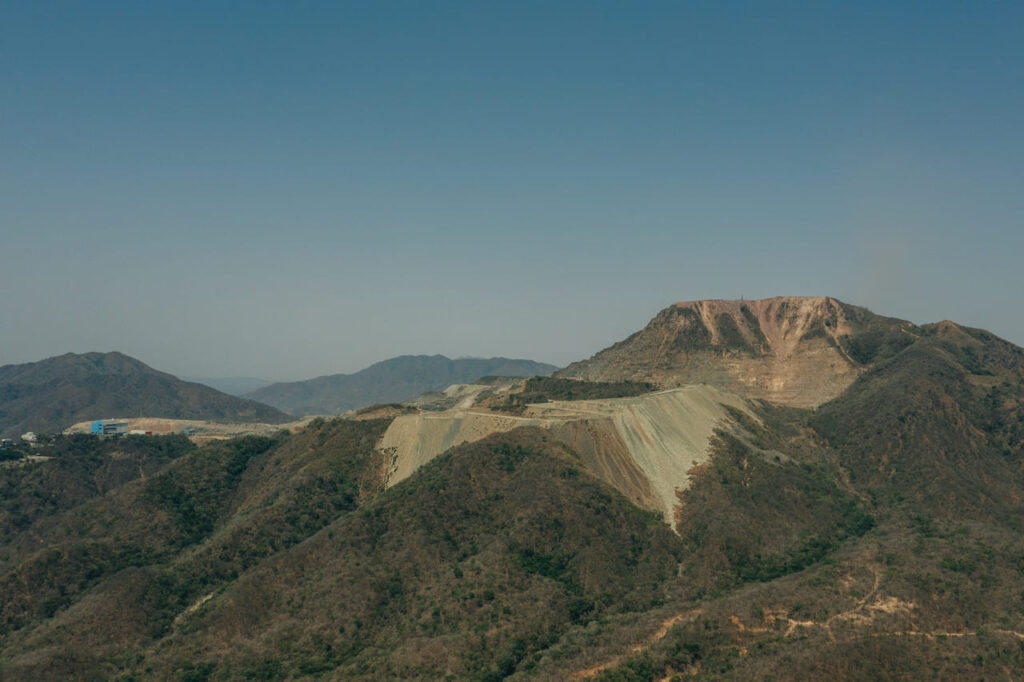
Forty-five kilometers away lies Peña Colorada, Mexico’s largest iron mine, operated under the name Consorcio Minero Benito Juárez Peña Colorada, jointly owned — 50% by ArcelorMittal and 50% by Ternium.
Every ton of ore (natural rock that contains valuable minerals) has a guaranteed destination: steel plants that feed production chains across the Americas and Europe. Peña Colorada extracts nearly four million tons of iron per year. To achieve that, three daily explosions shake the mountain. But it’s not only the earth that trembles. In the Nahua communities, the word you’ll hear more often is not “employment” but “fear.”
In November 2023, Higinio Trinidad de la Cruz — a Nahua leader who denounced logging and land grabbing in the Sierra de Manantlán — was found dead with signs of torture, hours after leaving the municipal building escorted by police. His wife, María Hermenegildo, survived and now lives under threat.
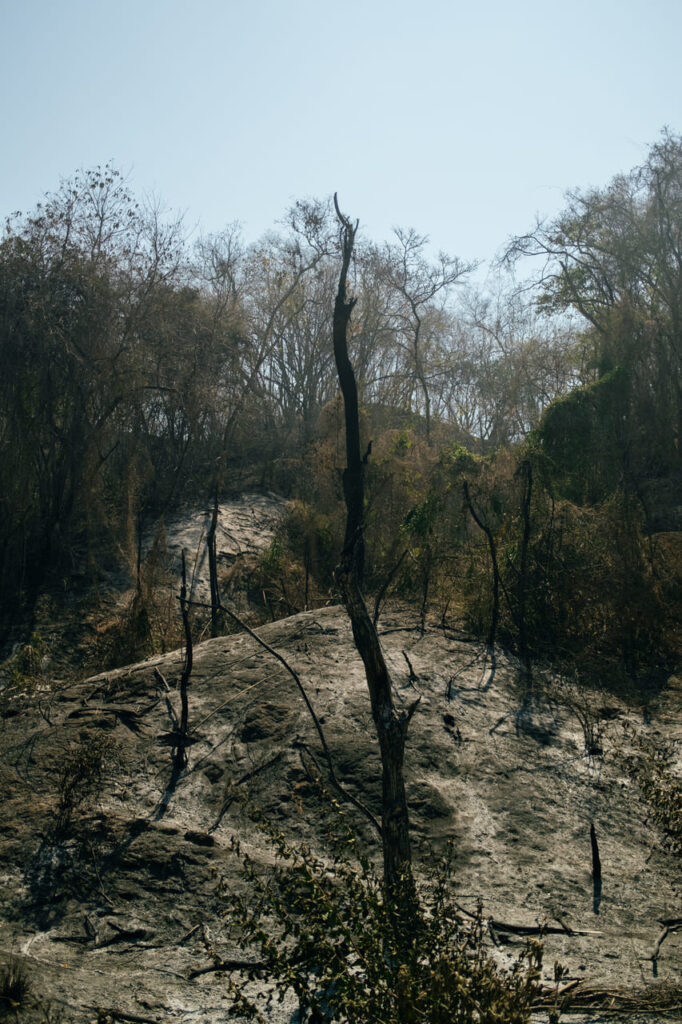
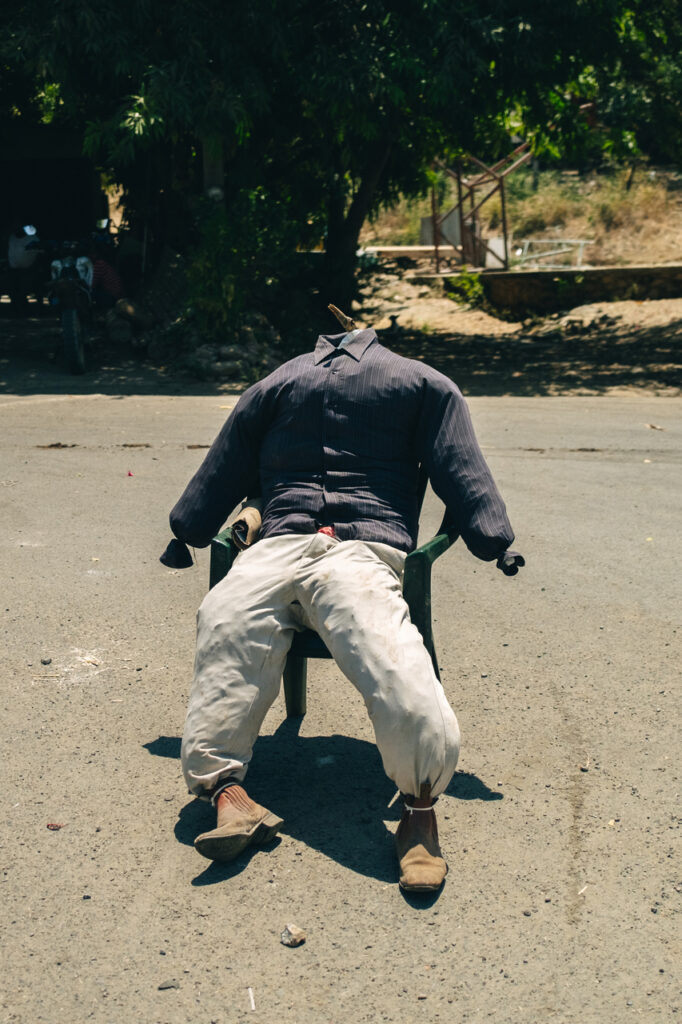
It’s not an isolated case. Local organizations have documented a sequence of violence: at least five environmental defenders from the Sierra de Manantlán were murdered between 2020 and 2023. In the area, residents point to the convergence of mining interests, local authorities, and armed groups linked to the Jalisco New Generation Cartel (CJNG).
The company operates concessions covering tens of thousands of hectares, some bordering the Sierra de Manantlán Biosphere Reserve and Nahua communal lands. The communities insist they were never freely, priorly, or informedly consulted, as required by ILO Convention 169.
Liberia: The Red Water of Nimba
In Nimba County, northern Liberia, communities such as Bonlah or Yekepa live next to the iron mine that ArcelorMittal has been operating since the early 2000s. After two civil wars, the arrival of one of the world’s largest steelmakers was presented as a turning point: jobs, roads, schools, and access to the railway that would cross the country to the port of Buchanan.
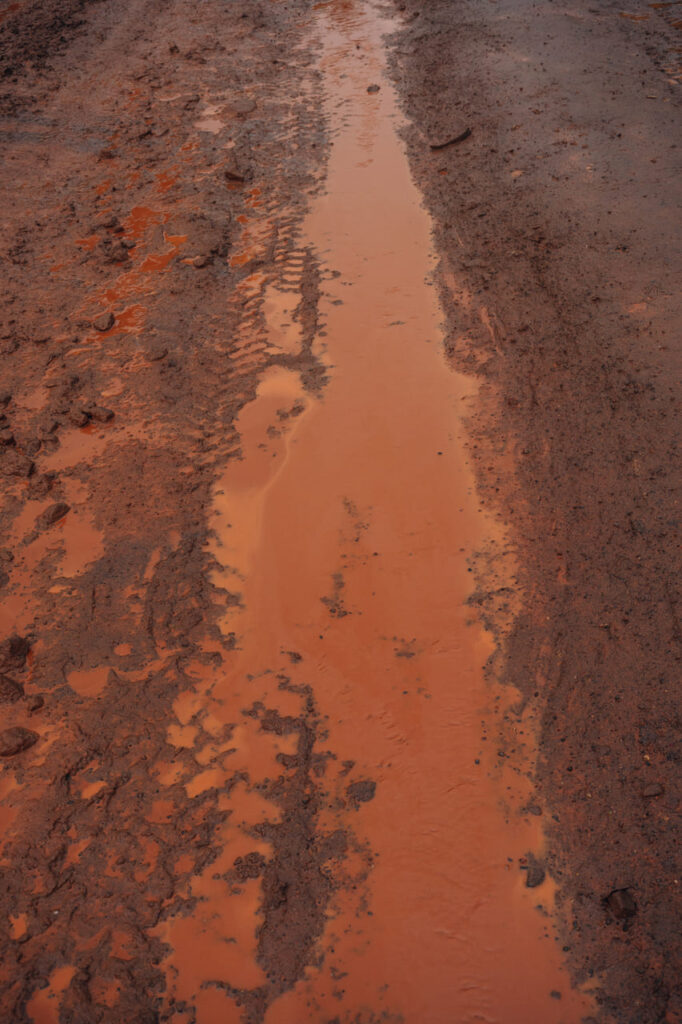
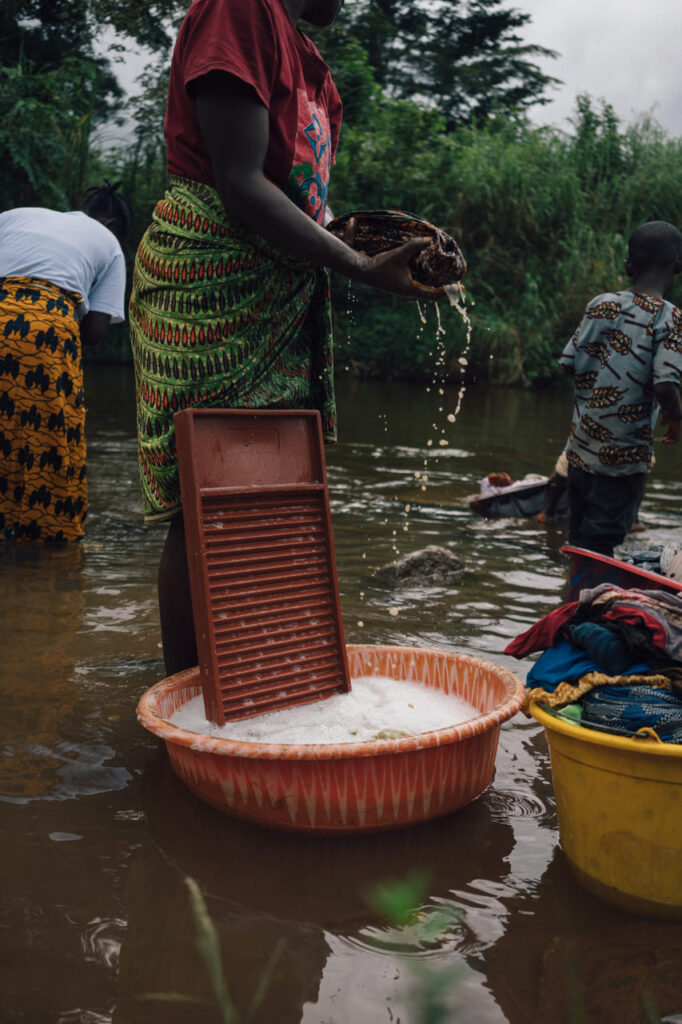
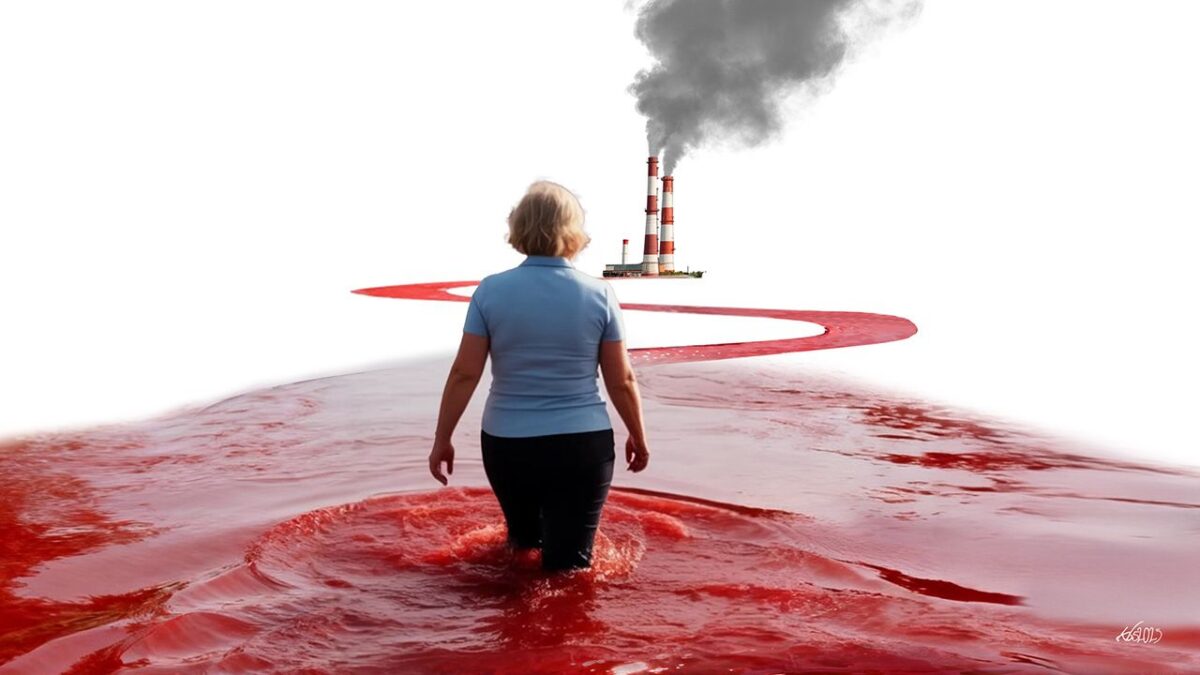
Two decades later, many of those promises remain on paper. There is red water that runs down the mountain, and residents say it makes them sick. “We told them we’re one of the most affected communities and that we need drinking water, but they don’t respond,” says Josiah Diah.
Liberia’s Environmental Protection Agency has fined ArcelorMittal for pollution and demanded compensation and clean water sources, but locals say nothing has changed. The problem, they insist, is not only sanitary but also political.
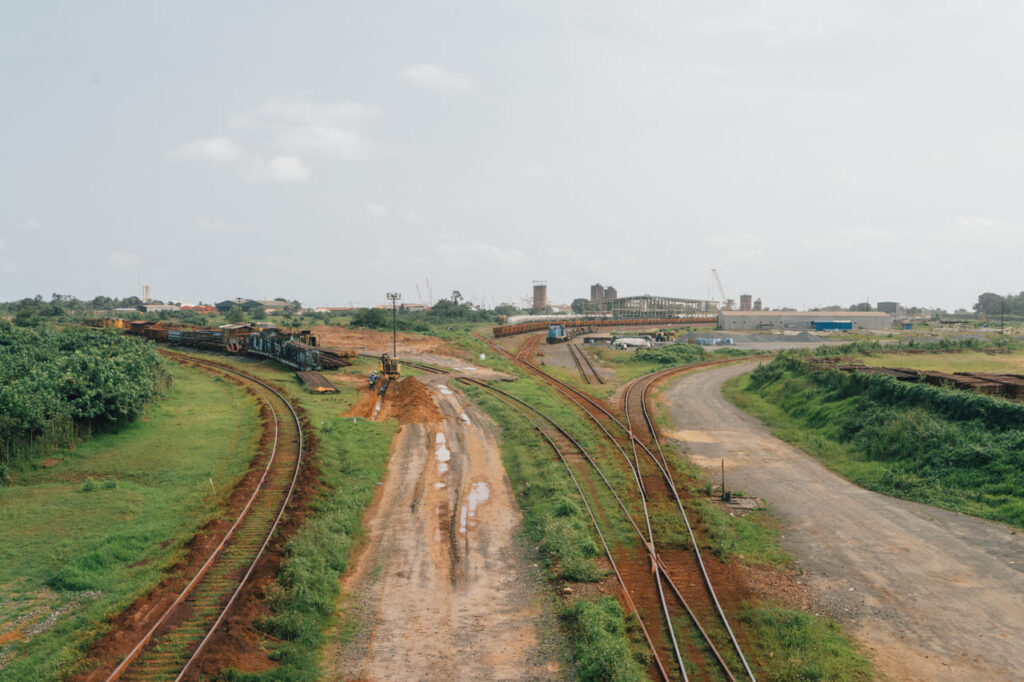
The company controls the mine, the railway, and the Buchanan port terminal through which the ore is exported. The original agreement with the Liberian state included social investments in exchange for that control. Over the years, the company has sought to expand the contract to increase production and extend its rights over key infrastructures. Parliament halted the proposal in 2022, citing environmental concerns. But now, all signs point to approval.
The draft extension would include a “contractual supremacy clause”, giving AML’s rights precedence over future Liberian laws, and keeping rail and port infrastructure under its management. In exchange, the state would receive a symbolic annual fee of only about US$500,000.
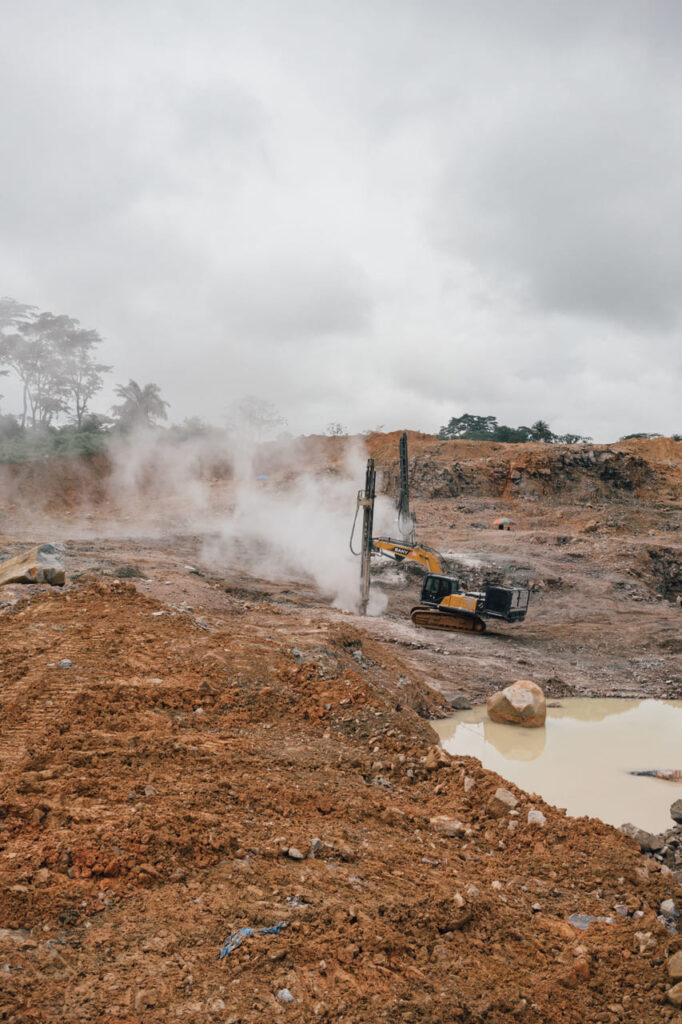
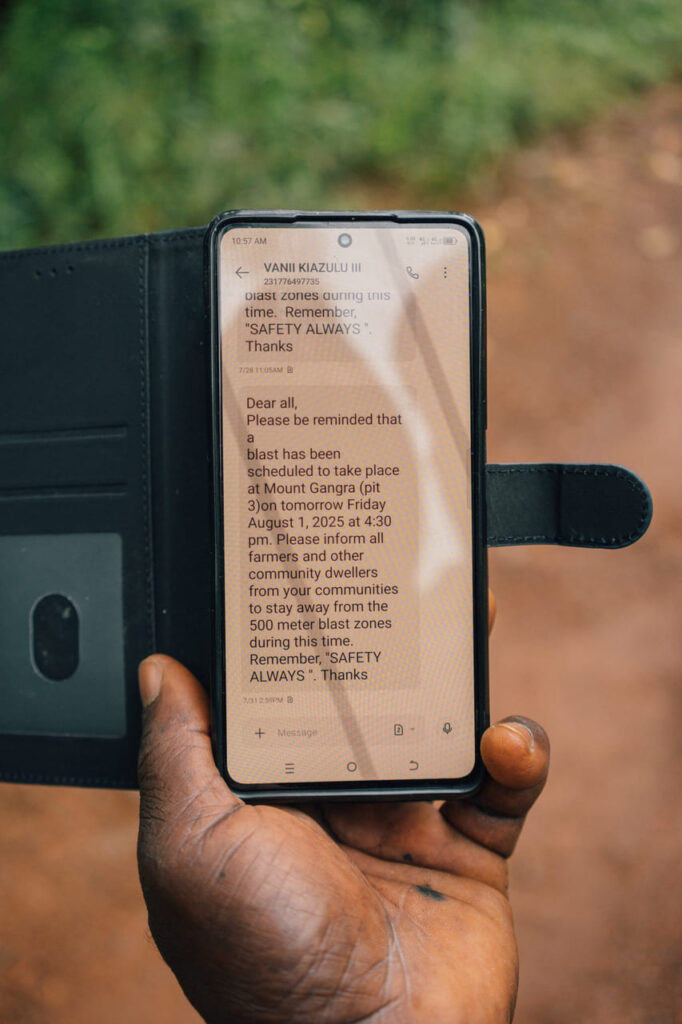
Although the company claims to have invested more than US$1 billion in Liberia since its arrival, most benefits are concentrated abroad. In Nimba, over 75% of the population lives below the poverty line, and youth unemployment exceeds 60%.
Meanwhile, the company plans to increase exports to Europe. Local communities say that growth brings no clean water, stable jobs, or repairs for homes damaged by mountain blasts. “If they’re not going to keep their promises, they should leave,” Josiah says.
Dunkirk: A Cloud of Promises
Liberian iron travels to Europe, where it is turned into steel in the plants of Gijón and Dunkirk, now under double pressure: environmental and economic.
In Dunkirk, the issue is not only pollution but layoffs. In 2025, ArcelorMittal announced more than 600 job cuts in France — half of them in this city — citing losses from the European steel crisis. Unions see it as the first step toward dismantling.
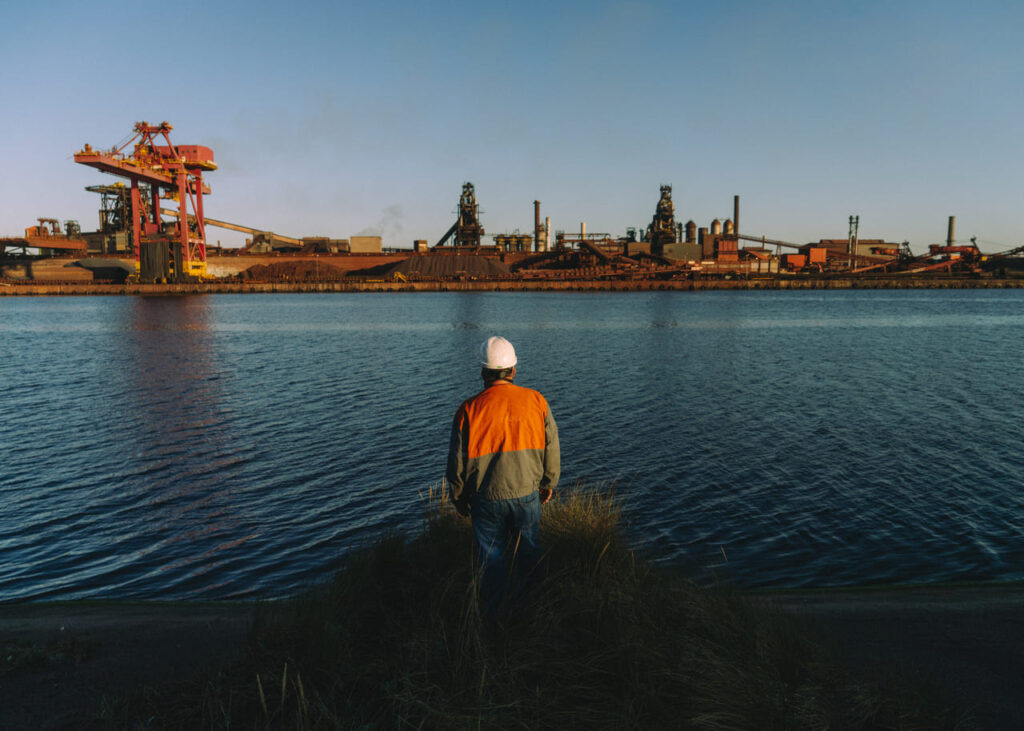
“If the first 600 go, the rest will follow. One in five families here depends directly or indirectly on the steelworks,” warns a union delegate.
The company denies a hidden closure, arguing Europe remains strategic. Yet while it speaks of adjustment in Europe, it expands its blast furnace capacity in India — still coal-fed. Unions and experts interpret this as silent relocation: less environmental investment in Europe, more production in countries with weaker regulations.
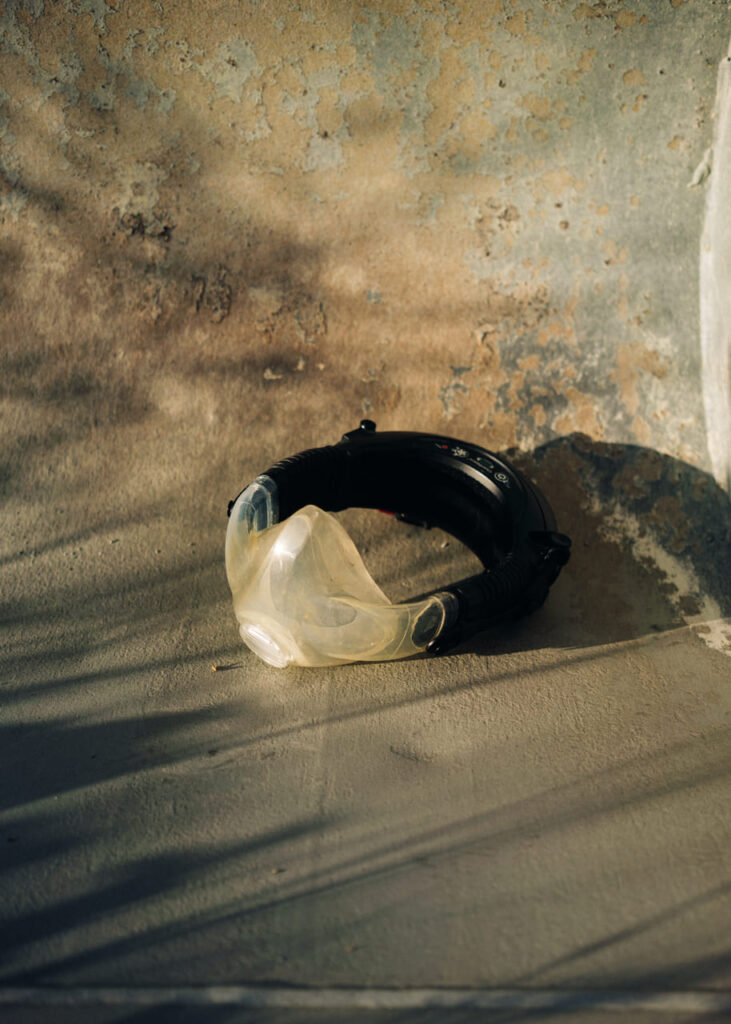
The backdrop is the word dominating Europe’s political discourse: decarbonization. Steelmaking depends on coal furnaces, responsible for most of the sector’s emissions. Brussels demands drastic reductions by 2030 and carbon neutrality by 2050, and several governments have pledged billions to convert coal furnaces to cleaner technologies.
Alternatives include recycling scrap metal in electric furnaces or replacing coal with natural gas and green hydrogen. Theoretically, that’s the path to “green steel, but in practice, it requires cheap electricity, large-scale hydrogen, and massive investment.
France promised public support for ArcelorMittal to build a DRI unit (Direct Reduced Iron) and electric furnaces in Dunkirk. The plan was presented as a joint State–industry bet to preserve jobs and cut emissions. Months later, the company itself froze the key project and announced layoffs.
Gijón: Everything Rusts
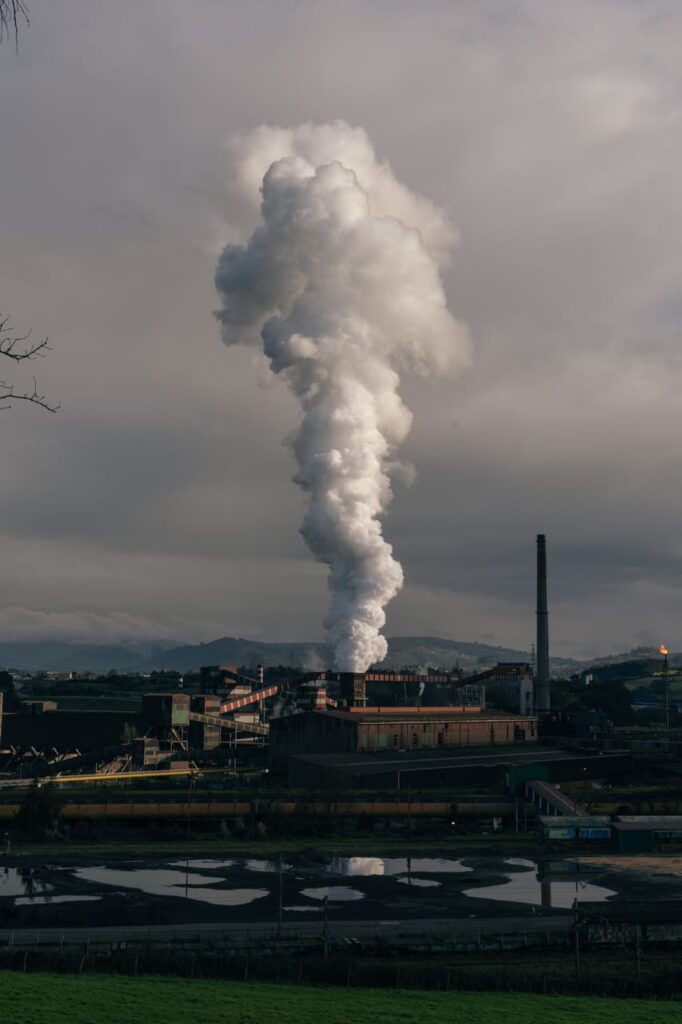
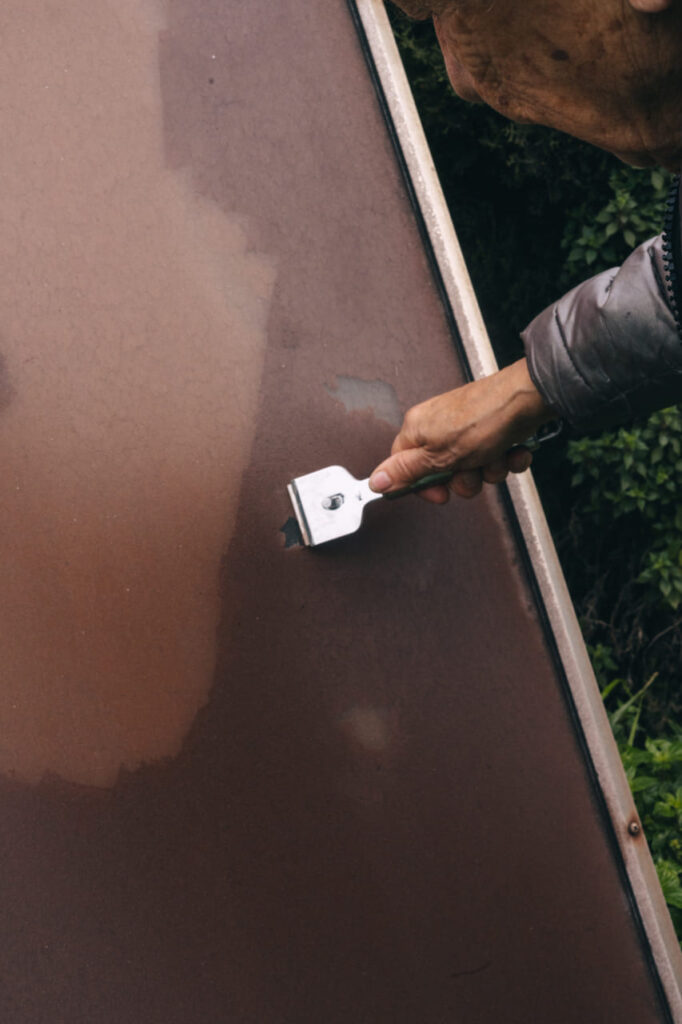
In the neighborhoods of La Calzada and El Lauredal, metallic rain coats, balconies, and hanging clothes. Residents report chronic coughs, reddish dust, and metal particles that can be lifted with a magnet.
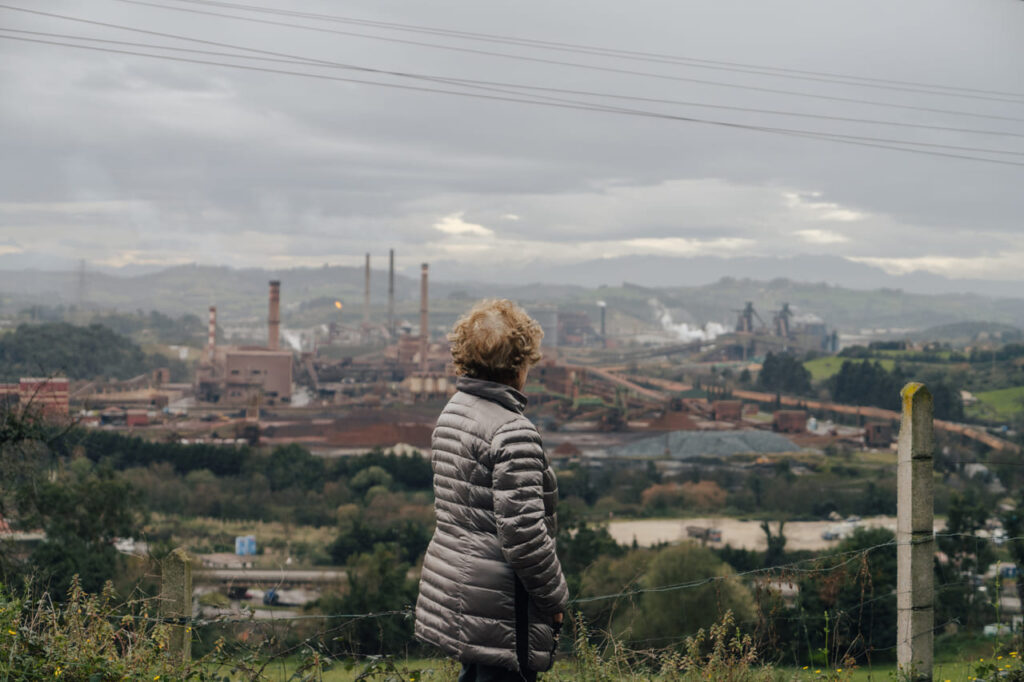
The ArcelorMittal Asturias plant (Gijón–Avilés) remains one of Spain’s top greenhouse gas emitters — and the country’s last plant that still burns coal. In 2024, the company acknowledged its total carbon footprint stayed stable, around 7.6 million tons of CO₂, and that CO₂ costs had doubled in three years despite a 10% emission reduction, now representing 25% of production costs in Asturias.
Neighborhood and environmental groups have long demanded bag filters to cut emissions, but the regional government allowed the company to replace them with a 60-meter chimney to disperse smoke. According to the International Institute for Law and the Environment (IIDMA), this decision has let the company “pollute above legal limits” for years.
The PRTR-Spain register shows that in 2023, the plant generated 87,832 tons of non-hazardous waste.
A 2025 report by Ecologistas en Acción, warns that air pollution from particulate matter (PM10 and PM2.5) in Gijón remains well above WHO limits, and that reductions of 11% and 16% from 2012–2019 averages are insufficient.
In the city’s western zone, where the facilities operate, levels of benzo(a)pyrene — a carcinogenic hydrocarbon — reached 0.53 ng/m³ in 2024, the highest concentration in Spain. The organization denounces ArcelorMittal’s measures as “cosmetic, without timelines or real decarbonization commitments,” accusing the company of downplaying its environmental responsibility.
Despite corporate pledges, Gijón continues to exceed WHO air quality guidelines. In 2024, ArcelorMittal Spain invested €197 million (up 29.6% from 2023) and began construction of a €213 million electric steel plant, due in 2026. The DRI project, supported by €450 million from public funds, remains suspended, according to the company itself.
From the dust of the South to the smoke of the North, the steel route reveals a single pattern: progress always moves in one direction — and leaves behind red rivers and grey skies.
***
This report is part of an investigation made possible thanks to the support of the Investigative Journalism for Europe (IJ4EU) fund and Journalismfund Europe. A project supported by Late.