|
Getting your Trinity Audio player ready...
|
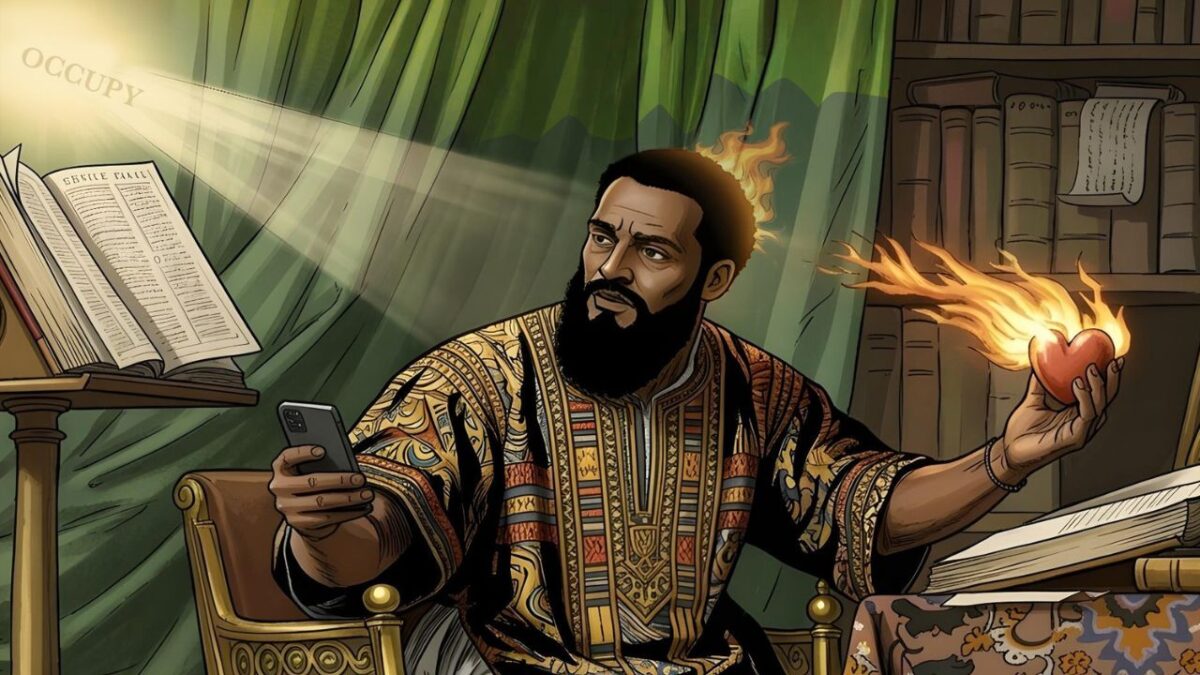
In the past decade, something profound, beyond the ken of mere statistics, has stirred in the life of the Kenyan Native. The three archetypes who have long presided over the Kenyan question—the Ethnic Kingpin, the civil servant, and the clergyman—now find a changeling in their midst. They are not unaware of the New Native, yet they stand perplexed, unable to swaddle him in their familiar formulae. For the younger generation, pulses with a fresh psychology; a new spirit stirs in the masses, transforming, under the very gaze of professional observers, what was once a perennial problem into the progressive unfolding of the contemporary Kenyan Native.
Since colonial times, the Native has been less a human being than a formula: a subject to be argued over, condemned or defended, ‘kept down’ or ‘in his place’, ‘helped up’, worried with or worried over, harassed or patronised—a social bogey or a burden. Even the thinking Native has been induced to adopt this attitude, fixating on controversy, viewing himself through the distorted lens of a social problem. His shadow has loomed larger than his personality. Forced to appeal from the unjust stereotypes of oppressors to those of liberators, friends, and benefactors, he has subscribed to traditional positions from which his case has been viewed. Little true social or self-understanding could emerge from such a plight.
Yet whilst the minds of Urbanites, intelligentsia, ethno-nationalists, and expats have burrowed in the trenches of post-Cold War governance reforms and parochial ethnic politics, the actual march of development has simply outflanked these positions, demanding a sudden reorientation. We have not been watching in the right direction; fixated on a post-Cold War governance reforms discourse, we have missed the East until the sun has left us blinking. Recall how abruptly the Gen Z movement emerged—suppressed for generations beneath Victorian respectability and public performativity, secretive and half-ashamed, until the courage to be natural brought them forth. And lo, within the revolutionary energy of the 25th June Maandamano protests, a New Native was born.
The Native’s mind seems suddenly to have slipped the tyranny of social intimidation, shaking off the psychology of imitation and implied inferiority. By shedding the old chrysalis of the ‘Native problem’, we achieve something akin to spiritual emancipation. Until recently, lacking self-understanding, we have been nearly as much a problem to ourselves as to others. But the decade that found us with a problem has left us with a task. The multitude may yet feel only strange relief and a vague new urge, but the thinking few recognise that the vital inner grip of prejudice has been broken. With renewed self-respect and self-dependence, the Kenyan Native’s life is poised to enter a dynamic new phase, inner buoyancy compensating for external pressures.
This great social gain releases our talented cohort from the arid fields of controversy into the productive realms of creative expression. The cultural recognition they earn becomes the key to revaluing the Native, a necessary precursor to improved race relations. Whatever the broader effects, this generation adds motives of self-expression and spiritual development to the unfinished task of material progress towards the Kenyan idea. No one who faces the situation candidly, acknowledging substantial accomplishments and abundant promise, can be wholly without hope.
In this series, we glean into our community of writers to help us understand the development of the New Native. Darius Okolla and Akal Mohan locate the emergent Native within the 2024 protests, while Oyunga Pala, Joe Kobuthi, and Wangui Kimari go further back to locate the historical processes that has given birth to this changeling in our midst.